If your pool surface is peeling, bubbling, or showing rough, chalky patches, you’re witnessing one of the most common maintenance challenges faced by Las Vegas pool owners. The intense desert climate, constant chemical exposure, and fluctuating temperatures all take a toll on traditional pool finishes.
Understanding why these problems occur — and what solutions exist to prevent them — is the first step toward maintaining a durable, low-maintenance pool interior.
In this guide, we’ll break down what causes these surface issues and explain why Glasscoat, a fiberglass-based coating system, is emerging as one of the most reliable resurfacing options for long-term performance.
Why Pool Interiors Peel or Bubble
Pool surfaces are constantly exposed to three key stress factors: chemical imbalance, environmental heat, and water saturation. Over time, these forces weaken the bond between the surface material and the underlying structure.
1. Chemical Damage
Improperly balanced pool water — especially when pH or alkalinity levels are off — can quickly degrade materials like plaster and epoxy.
When acids or chlorines are too strong, they strip away protective layers, leading to chalking, flaking, and discoloration.
2. Moisture Intrusion
If the surface wasn’t sealed properly or has developed microcracks, moisture seeps beneath the finish. This trapped water expands under heat, forming blisters or “bubbles” that eventually peel away.
3. UV and Heat Stress
In Las Vegas, summer temperatures can reach above 110°F. Prolonged UV exposure causes organic compounds in plaster and epoxy paints to break down, leading to brittleness and surface separation.
4. Age and Material Fatigue
Even with proper care, most traditional pool finishes have a finite lifespan — typically 7–10 years for plaster and 10–15 years for pebble or epoxy systems.
As these materials age, their ability to maintain adhesion and structural integrity decreases.
Common Types of Pool Finishes — and Their Limitations
Different materials respond differently to environmental stress, but all have their weak points. Here’s how the most common surfaces perform in desert conditions like Las Vegas:
Common Types of Pool Finishes — and Their Limitations
Different materials respond differently to environmental stress, but all have their weak points. Here’s how the most common surfaces perform in desert conditions like Las Vegas:
Plaster
Plaster has been the standard pool interior for decades due to its low cost and smooth feel.
However, it’s also porous, which makes it susceptible to water absorption, chemical erosion, and staining. Once the surface becomes rough, it’s prone to algae growth and calcium buildup.
Epoxy and Paint Finishes
Painted pools can look bright and glossy at first but rarely last more than a few years. High UV exposure causes fading and peeling, and these finishes often require frequent reapplications.
Pebble Aggregate
Pebble surfaces offer a textured, durable alternative to plaster, but they still absorb minerals and can become rough over time. In hard-water regions like Las Vegas, mineral scaling and etching are common.
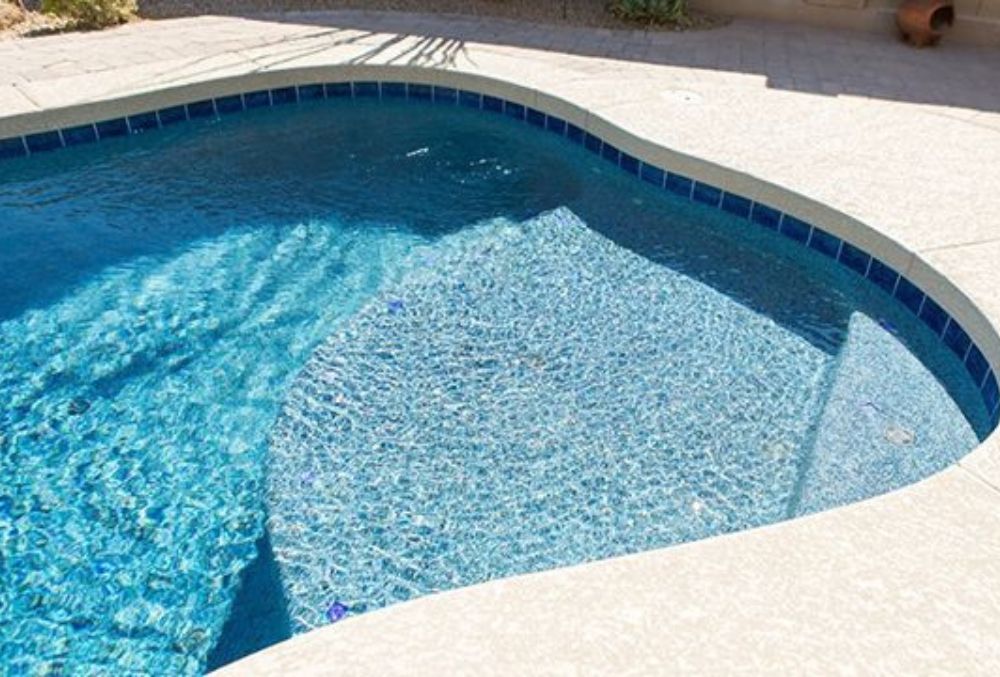
Fiberglass Liners
Pre-molded fiberglass pools are smooth and low-maintenance but expensive to install. Once they crack or delaminate, repair can be complex.
Each of these materials has benefits, but none fully solve the challenges of Las Vegas’s extreme environment — which is why newer technologies like Glasscoat have entered the spotlight.
What Is Glasscoat?
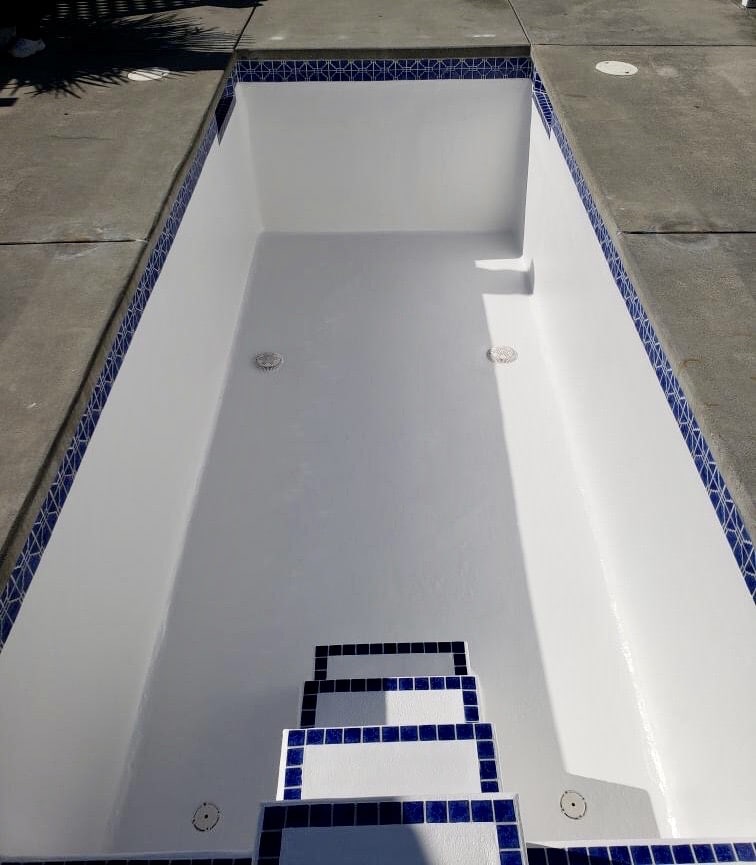
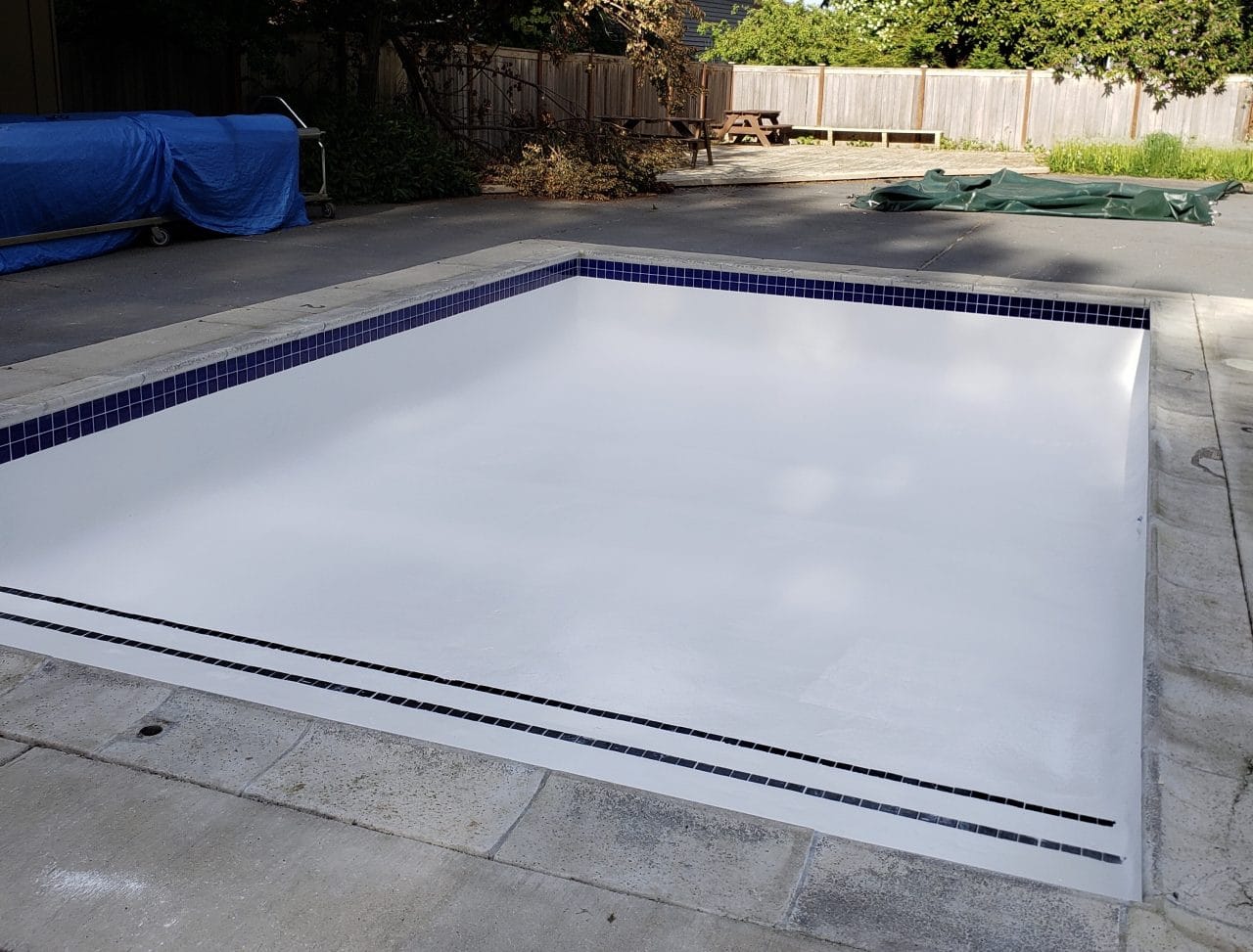
Glasscoat is a fiberglass-reinforced pool coating system that uses layers of resin, fiberglass matting, and a UV-resistant gelcoat to form a seamless, watertight finish.
Unlike plaster, which relies on mechanical adhesion, Glasscoat chemically bonds to the pool shell, creating a continuous barrier that prevents water and chemicals from penetrating the surface.
This technology was first developed for industrial and aquatic facilities that required long-lasting waterproofing — including waterparks and aquariums — and has since been adapted for both residential and commercial pool resurfacing.
Learn more about how this system works at Glasscoat pool finish Las Vegas.
How the Glasscoat Resurfacing Process Works
The process of resurfacing with Glasscoat involves several key steps that ensure adhesion, strength, and durability:
- Surface Preparation – The existing plaster or coating is stripped and sanded to remove contaminants and create a clean bonding surface.
- Structural Reinforcement – A fiberglass mat is applied across the pool’s interior to cover any microcracks or imperfections.
- Resin Application – Specialized resins saturate the fiberglass, forming a solid, moisture-resistant structure.
- Gelcoat Finish – A UV-stable gelcoat layer is sprayed or rolled on, giving the surface its final color, smooth texture, and chemical resistance.
- Curing and Finishing – The pool cures for several days before being filled, allowing the materials to harden and bond completely.
This process results in a continuous, non-porous membrane that resists blistering, staining, and fading — all common issues with traditional materials.
Why Glasscoat Performs Better in Desert Conditions
1. Thermal Stability
Glasscoat’s fiberglass-reinforced layers expand and contract with temperature changes without cracking or peeling, a key advantage in climates with large temperature swings.
2. Non-Porous Surface
Unlike plaster or pebble, Glasscoat doesn’t absorb minerals or chemicals. This prevents calcium scale buildup, reduces chemical usage, and keeps pool water clearer for longer.
3. Superior Adhesion
The chemical bonding process between the resin and substrate eliminates the risk of delamination and bubbling caused by trapped moisture.
4. UV and Chemical Resistance
The gelcoat finish is highly resistant to both chlorine and sunlight. It retains its color and gloss even after years of continuous exposure to harsh pool environments.
5. Extended Lifespan
Properly installed Glasscoat finishes can last 20–25 years or more, far exceeding the lifespan of traditional plaster or epoxy coatings.
Environmental and Practical Benefits
Beyond durability, Glasscoat also offers several practical advantages that make it appealing from both a maintenance and sustainability standpoint:
- Reduced chemical consumption – The non-porous surface helps stabilize water chemistry, requiring fewer balancing treatments.
- Less water waste – Fewer drain-and-refill cycles are needed over time.
- Lower energy use – The light-reflective finish can help keep water temperatures slightly cooler in the summer, reducing evaporation.
- Improved hygiene – Because it resists algae and bacteria, Glasscoat is easier to clean and sanitize.
These properties make it a strong choice for residential pools, hotel and resort facilities, and other commercial aquatic environments in Southern Nevada.
When to Consider Resurfacing
Homeowners often wait until visible peeling or severe staining appears before resurfacing, but by that point, structural damage may already be underway. Early intervention prevents higher costs later.
Consider resurfacing your pool if you notice:
- Peeling or flaking plaster around steps or waterline tiles.
- Chalky residue or pitting on the surface.
- Visible blisters, bubbles, or cracks.
- Persistent discoloration or scale buildup.
- Frequent need for chemical balancing or scrubbing.
If these signs are present, it’s worth scheduling an inspection with a qualified resurfacing contractor. You can learn more about options for your pool at pool resurfacing Las Vegas.
A Long-Term Solution for Harsh Climates
Peeling or bubbling pool interiors are a symptom of material failure — not owner neglect. Las Vegas’s extreme climate simply demands stronger technology than traditional plaster or paint can provide.
Glasscoat offers a scientifically advanced, long-lasting solution designed for these exact conditions.
Its durability, chemical resistance, and non-porous design make it one of the most reliable choices for pool owners seeking both performance and peace of mind.
Whether your pool is residential, commercial, or fiberglass, understanding modern resurfacing systems like Glasscoat can help you make an informed decision that saves time, money, and effort for decades to come.