Glasscoat Las Vegas NV – Benefits, Facts & Pool Resurfacing Guide

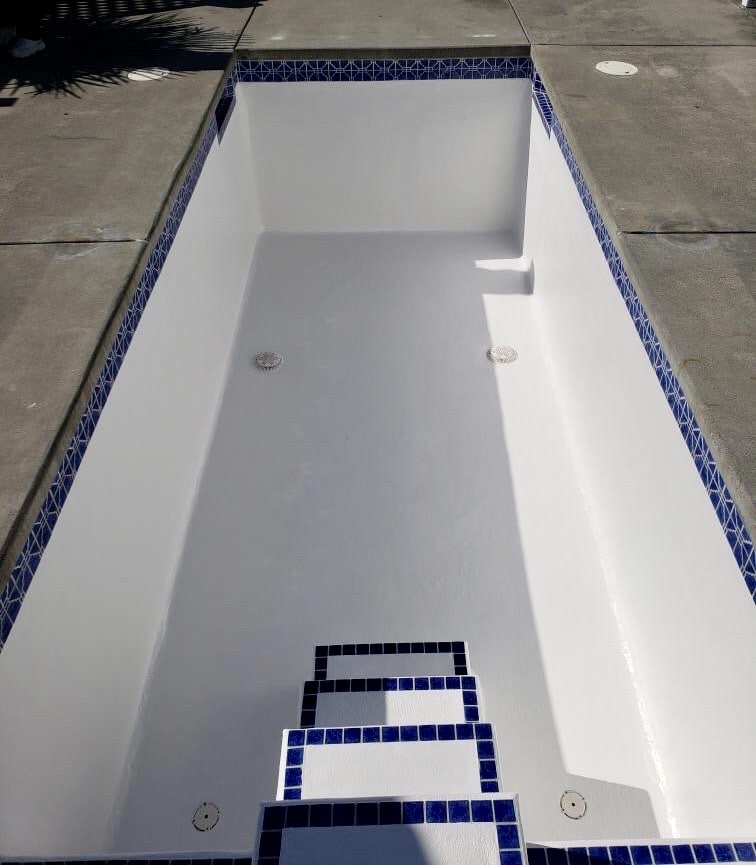
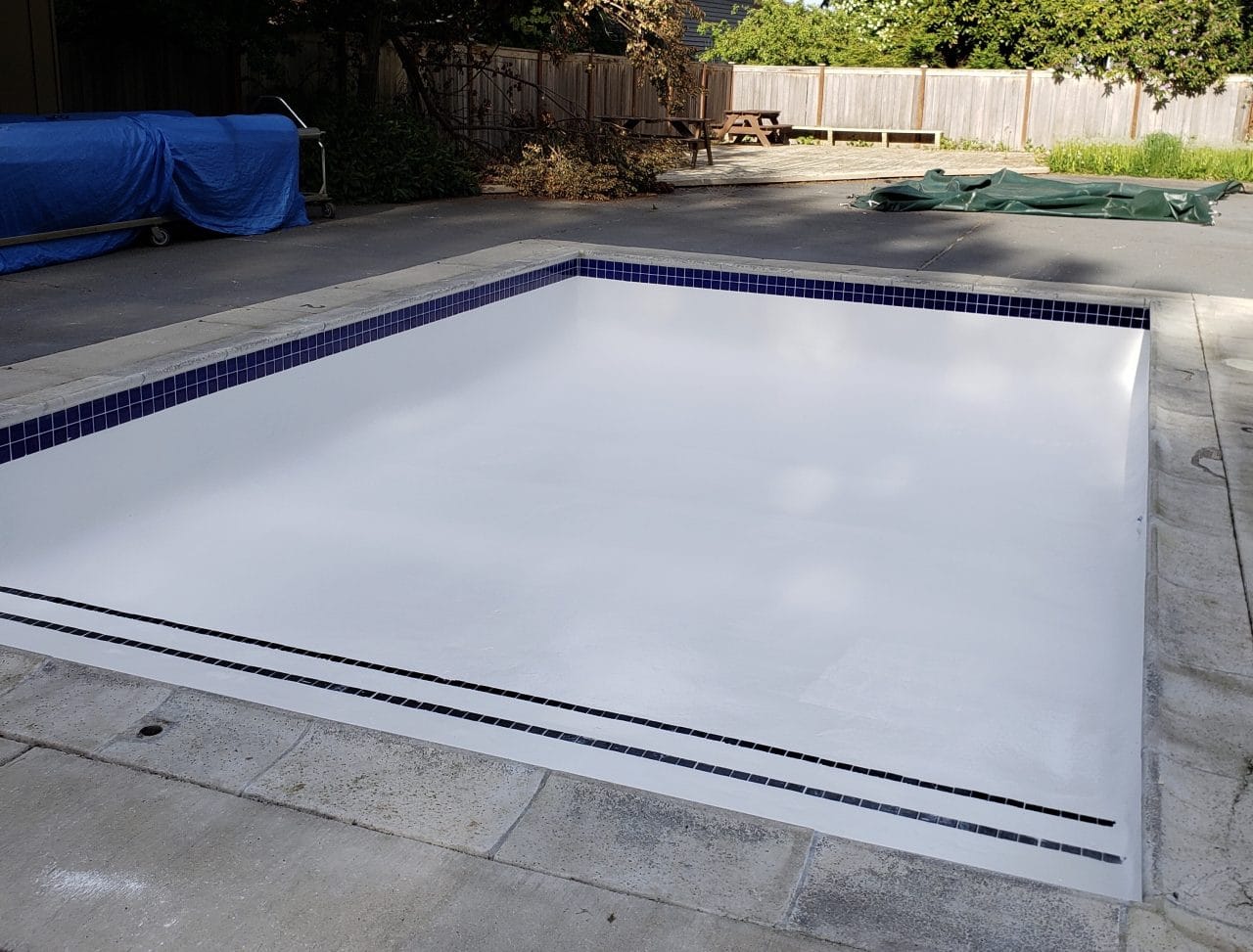
Glasscoat is a high-performance fiberglass polymeric coating that was initially used for industrial purposes. Using this type of material serves as a steel and concrete protection against possible corrosion. Since then, this type of coating has been developed and modified, making it possible to be used in pool surfaces. Glasscoat pool coatings is available in Las Vegas for fiberglass pool resurfacing. In addition to pool surfaces, glasscoat is also effective on glass surfaces such as pool tiles or features, providing protection and making maintenance easier.
More people are becoming familiar with this type of material because it offers a number of benefits for pool owners, including enhanced gloss for a shiny, attractive finish.
You might be considering using this type of coating for your pool surfaces, so to better know more about this product, here are the exciting facts about Glasscoat pool surface.
Why Glasscoat Was Made for Las Vegas Pools
Most pool surfaces were engineered for moderate climates. Las Vegas is not a moderate climate.
Your pool endures conditions that destroy ordinary plaster and pebble finishes within years — sometimes faster:
Extreme UV exposure. Las Vegas receives more than 294 sunny days per year. Standard pool plaster fades, chalks, and breaks down under sustained UV bombardment. The pigments in colored plasters yellow and lose vibrancy within 3 to 5 years. Glasscoat’s polymer matrix is UV-stable by design — the color is locked into the coating, not sitting on the surface. It does not fade.
110°F+ air temperatures and thermal shock. When a pool sits in direct sun all day in a Las Vegas summer and the temperature swings 40°F overnight, the surface material expands and contracts repeatedly. Cementitious materials — plaster, pebble finishes — are brittle under this stress. Micro-cracks form, water infiltrates, and deterioration accelerates. Glasscoat is a flexible polymeric system. It moves with the temperature cycle rather than cracking against it.
Hard water. Las Vegas tap water is among the hardest in the United States, with calcium hardness levels consistently above 300–400 ppm directly out of the tap. Hard water etches plaster surfaces, leaves persistent calcium scaling on tile lines, and requires constant chemical balancing to prevent visible deposits. Glasscoat’s non-porous surface gives calcium carbonate nothing to bond to. Scaling wipes off rather than embedding into the surface material.
Intense evaporation and chemical concentration. In summer, a Las Vegas pool can lose 1.5 to 2 inches of water per week to evaporation. As water evaporates, dissolved minerals and pool chemicals concentrate in what remains. Plaster surfaces absorb these concentrated chemicals over time, accelerating erosion. Glasscoat does not absorb water or the chemicals dissolved in it.
These aren’t edge cases — they’re the baseline conditions every Las Vegas pool owner deals with every summer. Glasscoat was designed around exactly these stressors.
Quick Facts:
- The installation does not require concrete hammering and sandblasting
- Fast application process ensuring short downtime period
- No dust residues after the installation
- Immediate use of the pool after resurfacing
- Does not require 3 weeks daily brushing after the installation
- Provides corrosion resistance which lasts for 20-25 years
- Resistant to any stain, algae build-up, roughness and spalling
- Provides an excellent aesthetic appeal and water clarity
- Decrease usage of pool chemical
- No surface dis-bond or chipping compared to plaster
- Excellent lifespan may last for 30 + years
- Affordable price point
- Provides substantial warranty period compared to other options like plaster
- Does not contain leachable or extractable material
- Stabilizes UV rays
- Tolerates imbalanced water chemistry
- Provides superior performance compared to cement
- Does not require regular maintenance
- Mostly used for commercial aquatic facilities
- Prevents possible pool cracks and leaks
The 3 Glasscoat Facts Las Vegas Pool Owners Ask About Most
- No startup chemicals required. After a standard plaster or pebble installation, pool owners must go through a 3-week “startup” process — daily brushing, careful chemical balancing, and restricted swimming — while the cement cures and stabilizes. Glasscoat requires none of this. Once installed and filled, the pool is ready to use immediately. There is no brushing protocol, no startup chemical regimen, and no waiting period. For Las Vegas homeowners who use their pools aggressively during the short spring and fall shoulder seasons, this matters.
- The color will not fade. Plaster color — including white, blue quartz, and pebble blends — sits on or near the surface of a cementitious matrix. UV exposure, chemical contact, and the physical abrasion of swimmers gradually strip and bleach that color. By year 5 to 7, most colored plaster pools in Las Vegas look noticeably different from their installation day. Glasscoat’s color is integrated into the polymer coating itself, not applied to the surface. The Las Vegas sun does not fade it.
- The warranty is substantive — not a plaster warranty. Standard white plaster typically carries a 1-year warranty. Aggregate finishes like pebble or quartz plaster typically warranty for 3–5 years — and those warranties routinely exclude discoloration, fading, and staining, which are exactly the failure modes most common in Las Vegas. Glasscoat carries a 10-year warranty that covers the material and the finish. It is not a hollow warranty that excludes the things most likely to go wrong. See full warranty terms →
Glasscoat vs. Plaster vs. Pebble: Side-by-Side Comparison
Glasscoat | Standard Plaster | Pebble / Quartz | |
Lifespan | 20–30+ years | 7–12 years | 12–18 years |
Warranty | 10 years | 1 year | 3–5 years |
UV Resistance | Excellent — no fading | Poor — fades & chalks | Moderate — aggregate stable, binder fades |
Hard Water Performance | Excellent — non-porous, non-scaling | Poor — etches & scales | Moderate — surface pitting over time |
Startup Protocol | None — swim immediately | 3-week daily brushing | 2–3 week startup |
Temperature Flexibility | High — polymeric, flexes with thermal cycles | Low — brittle, micro-cracks | Low–Moderate |
Chemical Use | Reduced — surface tolerates imbalance | High — requires tight chemical balance | Moderate |
Algae Resistance | Excellent — non-porous surface | Poor — porous, harbors algae | Moderate |
Surface Feel | Smooth, glass-like | Smooth when new, roughens over time | Textured (coarse) |
Cost Range | $$ – $$$ | $ | $$ |
Ideal For | Las Vegas climate, longevity, low maintenance | Budget-first installations | Texture preference, mid-range budget |
What Does Glasscoat Cost in Las Vegas?
Glasscoat is not the cheapest pool resurfacing option — and it is not meant to be. It is the highest-performance option.
General pricing context:
- Standard white plaster: lowest upfront cost, shortest lifespan, most maintenance
- Pebble / quartz aggregate: mid-range upfront, moderate lifespan
- Glasscoat: higher upfront investment, longest lifespan, lowest lifetime cost
When you divide the total cost of a pool surface by its expected lifespan and ongoing maintenance savings, Glasscoat consistently comes out ahead in Las Vegas — where the climate extracts maximum wear from every surface type.
The accurate cost comparison isn’t installation day — it’s over 20 years. A plaster surface that needs replacement every 8–10 years costs more than one Glasscoat installation that lasts 20–30 years, especially when you factor in reduced chemical costs, no startup fees, and eliminated emergency repair calls for scaling and etching damage.
For a precise quote on your specific pool size and condition, call (702) 710-5883. We provide free, no-obligation estimates.
Glasscoat Quick Facts: Frequently Asked Questions
These are the questions Las Vegas pool owners ask us most often about Glasscoat. Answers are also structured for Google’s AI-powered search results.
Does Glasscoat require a startup period after installation? No. Unlike plaster and pebble finishes that require 2–3 weeks of daily brushing and a strict chemical startup regimen, Glasscoat requires no startup protocol. Once the pool is filled, it is ready to use immediately.
Will Glasscoat fade in the Las Vegas sun? No. Glasscoat’s color is integrated into the polymer coating, not applied to the surface. It is UV-stable and does not fade, chalk, or lose vibrancy the way plaster pigments do under sustained UV exposure.
How does Glasscoat handle Las Vegas hard water? Very well. Glasscoat is non-porous, which means calcium carbonate — the primary cause of scaling in hard water environments — has no surface to bond to or embed into. Calcium deposits wipe off cleanly rather than etching or pitting the surface as they do with plaster.
What warranty does Glasscoat carry? Glasscoat carries a 10-year warranty covering the material and finish. Standard plaster warranties run 1 year; aggregate/pebble warranties typically run 3–5 years and often exclude the discoloration and staining most likely to occur in Las Vegas conditions. Full warranty details →
How long does Glasscoat last? With proper care, Glasscoat provides corrosion resistance for 20–25 years and an overall surface lifespan that can exceed 30 years. It substantially outlasts every cement-based pool surface option.
Is Glasscoat safe for pools with high bather loads? Yes. Glasscoat was originally developed for industrial and commercial aquatic applications where surfaces face heavy, continuous use. Its resistance to abrasion, chemicals, and biological growth makes it the preferred surface for commercial aquatic facilities.
Can Glasscoat be applied to my existing pool surface? Glasscoat can be applied over concrete, fiberglass, gunite, iron, aluminum, and previously painted or coated surfaces. The installation process requires no concrete breaking or sandblasting, which eliminates the noise, mess, and structural disruption of traditional resurfacing methods.
Does Glasscoat reduce pool chemical usage? Yes. Because Glasscoat is non-porous and tolerates imbalanced water chemistry better than plaster, it does not require the same level of chemical intervention to maintain. Most pool owners report a measurable reduction in chemical usage after switching to Glasscoat.