Owning a swimming pool in Las Vegas comes with year-round enjoyment—but it also means your pool surface takes a beating. Extreme desert heat, constant UV exposure, hard water, and heavy chemical use all accelerate wear on pool interiors.
Over time, even well-maintained pools develop rough patches, stains, discoloration, or surface cracks.
When that happens, homeowners are often faced with a common question: should you resurface your pool or replaster it?
While the terms are sometimes used interchangeably, they refer to different solutions with distinct benefits. Understanding the difference is the key to choosing the right upgrade for your pool this season.
Why Pool Surfaces Wear Out Faster in Las Vegas
Las Vegas is one of the most demanding environments for swimming pools. Summer temperatures regularly exceed triple digits, causing pool surfaces to expand during the day and contract at night.
This constant thermal movement slowly weakens traditional materials, especially older plaster finishes.
Hard water is another major factor. Mineral-rich water leaves behind calcium deposits that etch the surface, create staining, and make plaster feel rough over time.
Combined with strong pool chemicals and year-round sun exposure, these conditions significantly shorten the lifespan of untreated or outdated pool surfaces.
That’s why timely upgrades are especially important for Las Vegas homeowners. Addressing surface issues early helps prevent more extensive—and expensive—repairs later.
What Pool Replastering Involves
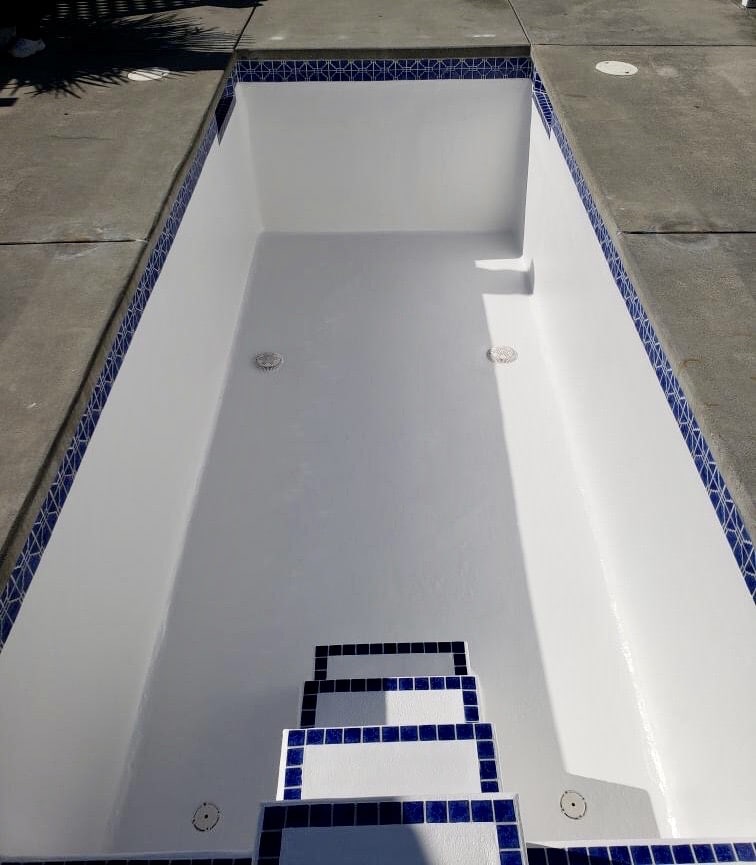
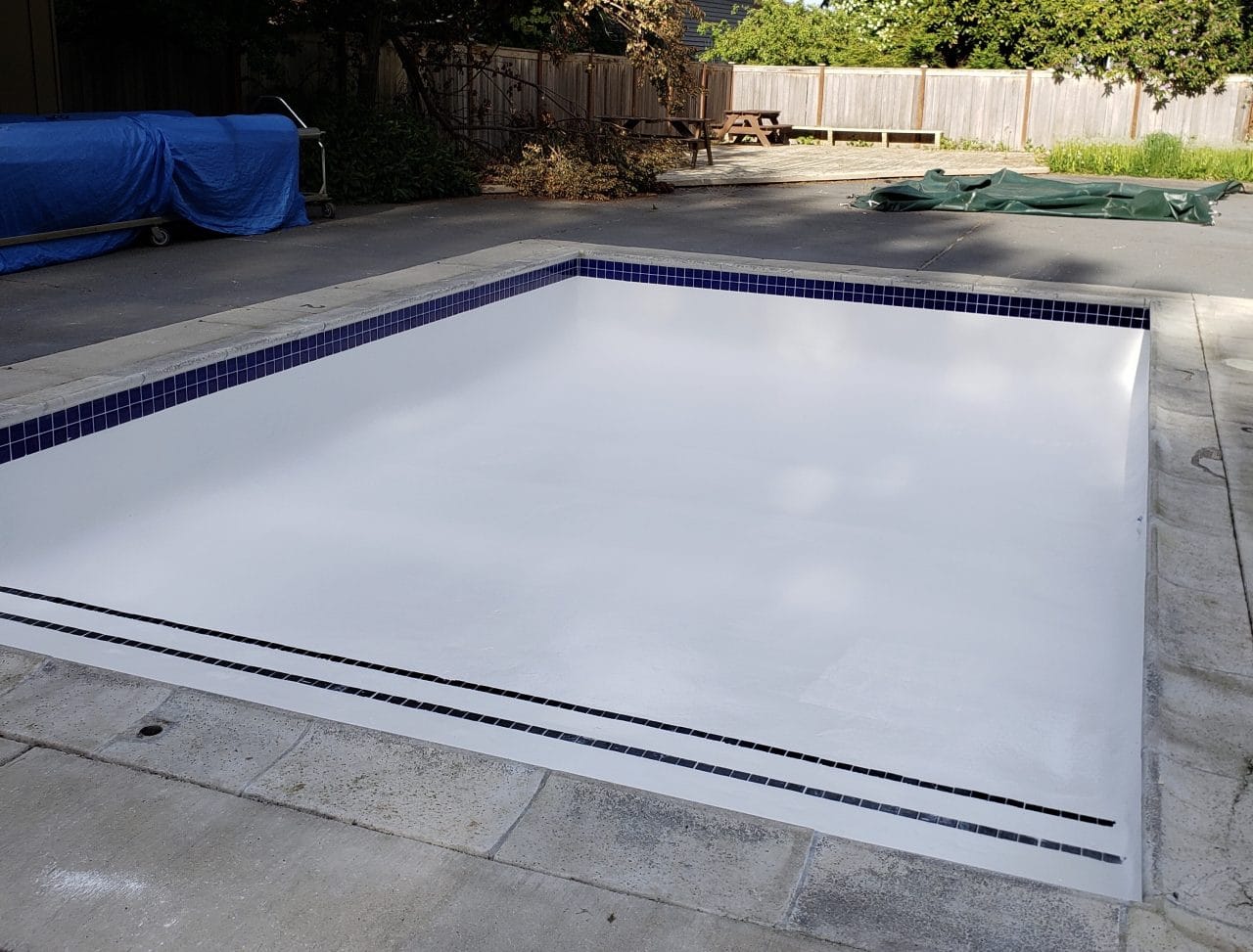
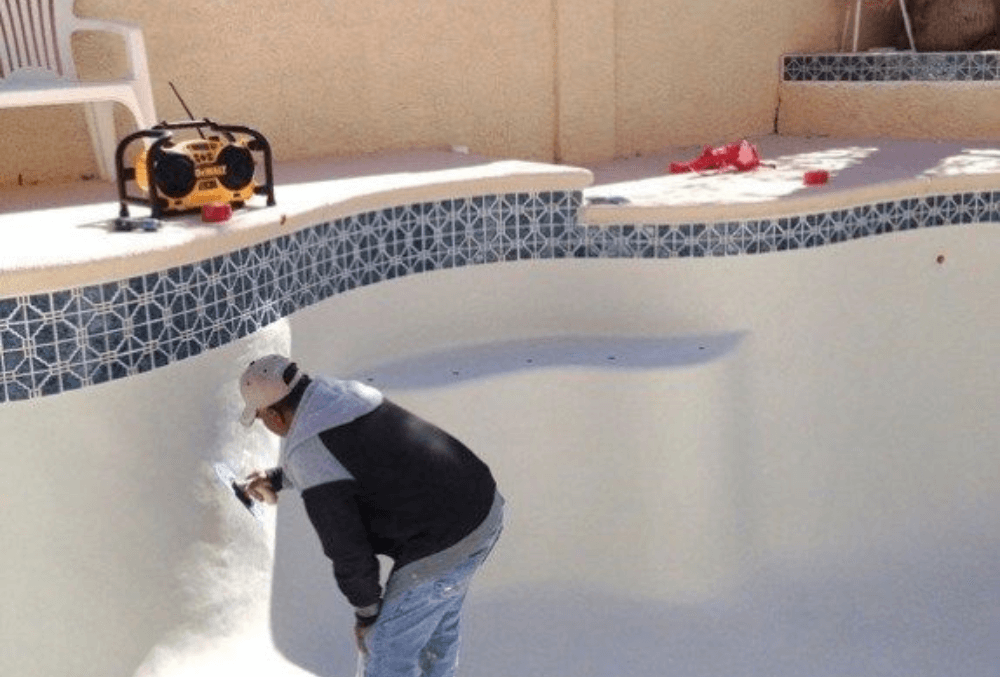
Pool replastering is the traditional method of renewing a worn pool interior. It typically involves preparing the existing surface and applying a fresh layer of plaster to restore a smooth, clean finish.
Replastering is often recommended when the original plaster has become excessively rough, cracked, or worn through in certain areas.
Traditional white plaster remains a popular choice because of its classic look and lower upfront cost.
However, plaster is porous by nature, which makes it more vulnerable to staining, etching, and discoloration in desert climates like Las Vegas.
Homeowners considering this option can learn more about professional pool replastering services Las Vegas.
What Pool Resurfacing Means Today
Pool resurfacing is a broader category that includes modern interior finishes and advanced coating systems designed to outperform standard plaster.
Rather than simply replacing old plaster with new plaster, resurfacing focuses on improving durability, longevity, and resistance to harsh environmental conditions.
Modern resurfacing systems are engineered to handle UV exposure, chemical use, and heat far better than traditional plaster.
For many homeowners, pool resurfacing Las Vegas offers a longer-lasting solution with more design flexibility and fewer maintenance issues over time.
Pool Plaster vs. Modern Resurfacing Systems
Traditional pool plaster has been used for decades, but it comes with limitations—especially in hot, dry climates. Because plaster is more porous, it absorbs water and minerals, making it prone to staining, scaling, and surface etching.
Over time, this leads to a rough texture that can be uncomfortable for swimmers and harder to keep clean.
Modern resurfacing systems, by contrast, are designed to reduce porosity and resist chemical and UV damage. These systems often maintain their appearance longer and require less aggressive maintenance.
Homeowners weighing their options can review a detailed comparison of pool plaster Las Vegas. versus modern alternatives.
Pebble Tec and Decorative Pool Finish Options
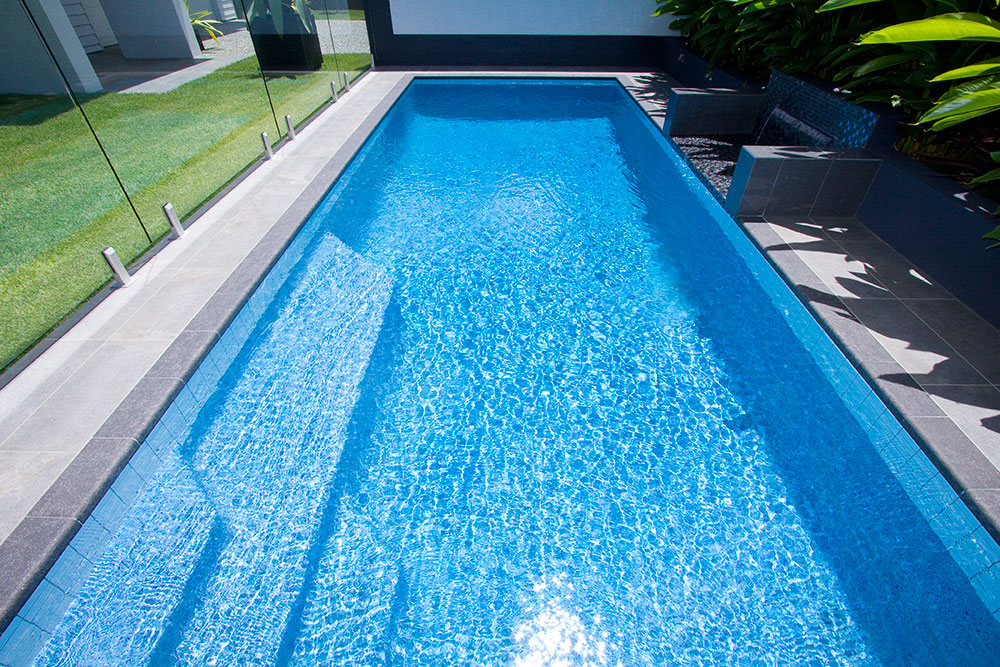
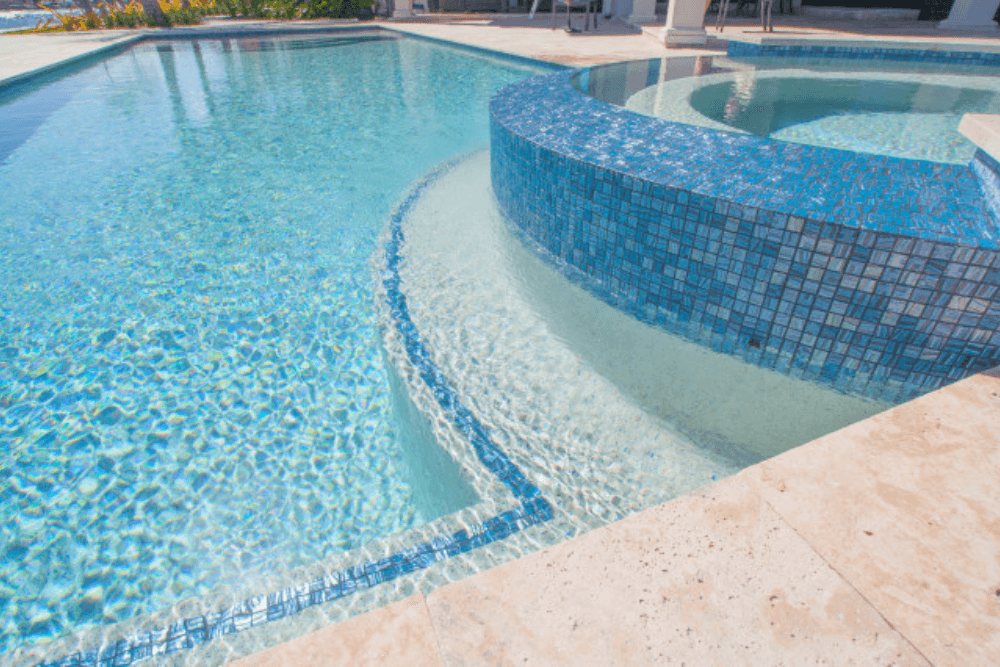
For homeowners looking to combine durability with visual impact, pebble-style finishes are a popular upgrade. Pebble tec Las Vegas use natural aggregates mixed with cement-based binders to create a textured, visually rich pool interior.
These finishes are especially well-suited for Las Vegas conditions. They hold up well under intense heat, resist chemical wear, and typically last longer than standard plaster.
Pebble-style surfaces also offer a wide range of color blends, allowing homeowners to customize the look of their pool.
Signs Your Pool Needs Resurfacing or Replastering
Many homeowners aren’t sure when it’s time to upgrade their pool surface. Common warning signs include rough or abrasive areas that scrape skin, discoloration that doesn’t improve with cleaning, visible cracks or chips, and persistent calcium buildup.
Stains that return quickly after treatment often indicate that the surface material itself has deteriorated.
If your pool is more than a decade old and showing multiple signs of wear, it’s usually more cost-effective to address the surface now rather than waiting for further damage to develop.
Cost, Longevity, and Long-Term Value
One of the biggest differences between resurfacing and replastering comes down to long-term value. Replastering often has a lower initial price, which makes it appealing for short-term solutions or budget-conscious homeowners.
However, plaster generally has a shorter lifespan in Las Vegas conditions and may require more frequent maintenance.
Resurfacing systems typically cost more upfront, but they often last longer and maintain their appearance better over time.
For homeowners planning to stay in their home or protect resale value, resurfacing can be a smarter long-term investment.
Timing Your Pool Upgrade
Seasonal timing plays an important role in pool upgrades. Many Las Vegas homeowners choose to schedule resurfacing or replastering during cooler months, when contractors are more available and the pool can be ready for peak swim season.
Planning ahead helps avoid downtime during summer when pool use is at its highest.
Choosing the Right Upgrade for Your Pool
Ultimately, the right choice depends on your pool’s condition, your budget, and your long-term goals.
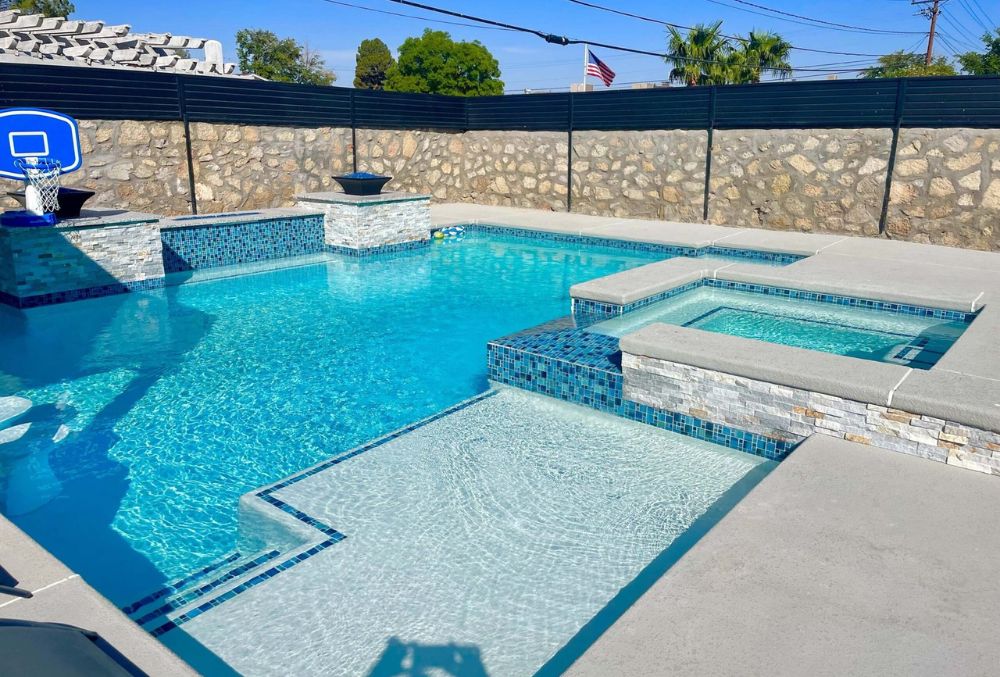
Pools with widespread plaster failure may require full replastering, while pools with moderate wear often benefit from modern resurfacing systems that extend surface life and improve durability.
Working with experienced professionals who understand Las Vegas pool conditions ensures you receive recommendations based on performance—not just cost.
Making the Smart Decision This Season
Both pool resurfacing and pool replastering can restore the beauty and function of your pool, but they are not one-size-fits-all solutions.
In Las Vegas, where heat, UV exposure, and hard water take a constant toll on pool interiors, choosing the right upgrade can save money, reduce maintenance, and extend the life of your pool.
By understanding the differences between resurfacing and replastering, you can confidently book the pool upgrade that fits your needs—and enjoy a smoother, safer, better-looking pool for years to come.