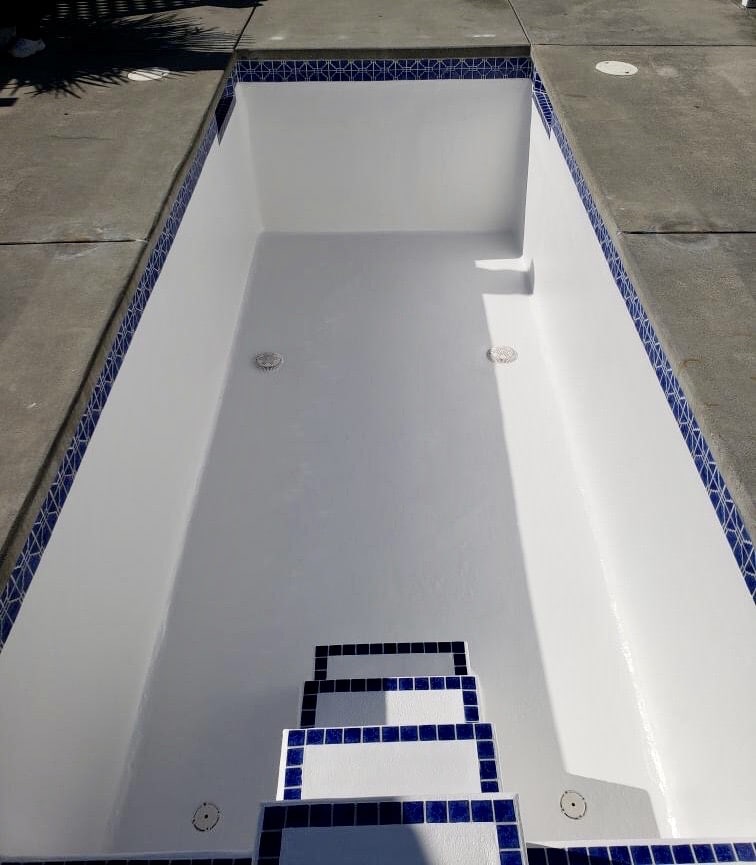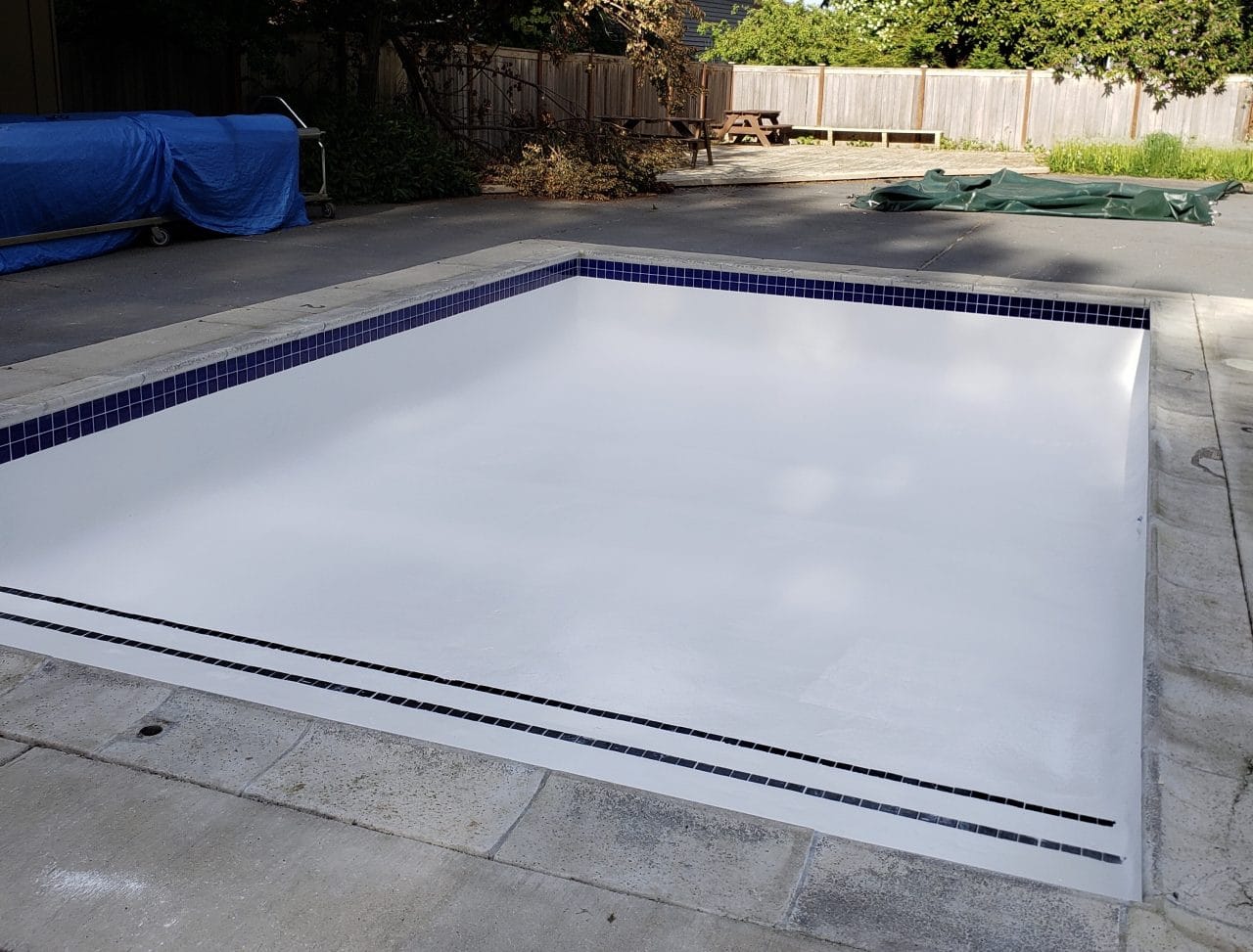
Owning your first swimming pool is exciting—but it also comes with responsibilities you may not expect. One of the most common questions new pool owners ask is, “When should I replaster my pool?”
In Las Vegas, extreme heat, intense UV exposure, and mineral-heavy water can cause pool surfaces to wear faster than in many other regions. Understanding when replastering is needed—and what your options are—can save you money, prevent damage, and keep your pool safe and beautiful for years to come.
This FAQ-style guide walks you through everything first-time pool owners need to know.
What Does Pool Replastering Mean?
Pool replastering is the process of removing or preparing the existing surface and applying a new interior finish to restore strength, appearance, and waterproofing. Over time, pool plaster naturally breaks down due to chemicals, temperature swings, and regular use.
Many homeowners combine replastering with broader upgrades like tile replacement or decking improvements as part of a full pool resurface Las Vegas project.
Replastering doesn’t just improve aesthetics—it protects your pool shell and prevents structural damage.
How Long Does Pool Plaster Typically Last in Las Vegas?
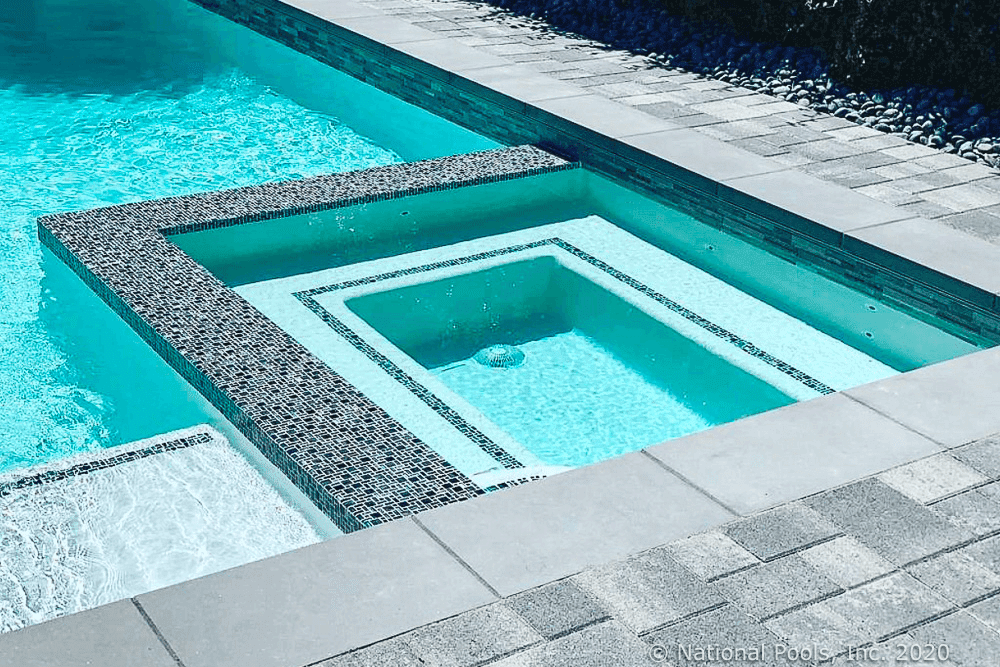
In Southern Nevada, plaster lifespan depends heavily on material choice and maintenance:
- Traditional white plaster: 5–8 years
- Quartz finishes: 10–12 years
- Pebble finishes: 15–20+ years
- Fiberglass coatings: often 15+ years
Las Vegas pools face harsher conditions than many climates, so surfaces tend to age faster. Hard water scaling, intense sunlight, and constant temperature changes all contribute to earlier wear.
If your pool is approaching these timelines, it’s smart to start planning rather than waiting for visible damage.
What Are the Signs My Pool Needs Replastering?
Most pools show clear warning signs before surface failure. Common indicators include:
- Rough or sandpaper-like texture on walls or floor
- Visible cracks or flaking plaster
- Stubborn stains that won’t brush away
- Algae that returns quickly after cleaning
- Fading or uneven coloring
- Small pits or exposed aggregate
Rough surfaces can irritate skin and feet, while cracks allow water intrusion that may lead to costly structural problems. If you notice any of these issues, scheduling an inspection for pool repair Las Vegas NV services is a smart next step.
Is Replastering the Same as Pool Repair?
Not exactly.
Replastering focuses on renewing the interior finish, while pool repair addresses structural or mechanical issues such as cracks, leaks, or damaged fittings. Many homeowners combine both during renovations to avoid repeating demolition work later.
A professional evaluation helps determine whether you need surface-only updates or more comprehensive repairs.
Can I Delay Replastering If the Pool Still Holds Water?
Technically yes—but it’s rarely a good idea.
A pool can hold water even when plaster is failing underneath. Delaying replastering often leads to:
- Increased chemical usage
- Faster algae growth
- Worsening cracks
- Damage to the gunite shell
- Higher future repair costs
Early intervention usually saves money and prevents larger restoration projects.
What Are My Replastering Material Options?
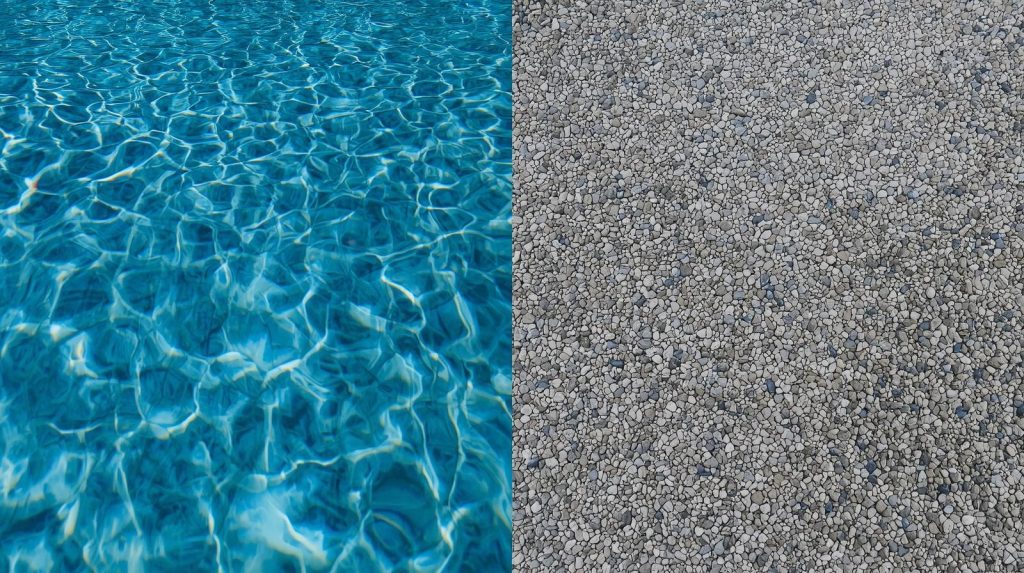
First-time pool owners are often surprised by how many finish choices are available.
Traditional Plaster
Affordable but shortest lifespan. Best for budget-conscious renovations.
Quartz Finishes
Stronger than basic plaster with added stain resistance and subtle sparkle.
Pebble Finishes
Extremely durable and visually striking. Many homeowners exploring pebble pool plaster Las Vegas choose this option for its longevity and natural appearance.
Fiberglass Pool Coatings
A modern alternative that creates a smooth, non-porous shell over your existing surface, offering faster installation and minimal maintenance.
Each option varies in price, texture, and durability. Your ideal choice depends on budget, design goals, and how long you plan to stay in your home.
How Long Does Pool Replastering Take?
Most replastering projects in Las Vegas take:
- 5–7 days for surface preparation and application
- Several additional days for curing and water balancing
Weather, material choice, and pool size can affect timelines. Pebble and fiberglass finishes may require slightly longer startup processes to ensure proper bonding and longevity.
How Much Does Pool Replastering Cost in Las Vegas?
Pricing varies based on:
- Pool size and shape
- Surface condition
- Chosen material
- Prep work required
- Additional repairs
Basic plaster is the most affordable, while pebble and fiberglass finishes sit at the higher end. A professional inspection provides accurate pricing and helps determine whether you need standalone replastering or full pool replastering services Las Vegas homeowners often bundle with tile or coping upgrades.
What Makes Las Vegas Pool Replastering Unique?
Desert conditions demand specialized installation techniques.
Local professionals account for:
- Rapid moisture evaporation
- High UV exposure during curing
- Mineral scaling from hard water
- Thermal expansion from extreme heat
Improper startup chemistry is one of the leading causes of premature plaster failure. Experienced Las Vegas contractors adjust curing protocols and water balancing specifically for Southern Nevada, helping your finish reach its full lifespan.
This local expertise is something generic online guides rarely mention—but it makes a major difference in results.
How Can First-Time Pool Owners Extend Plaster Life?
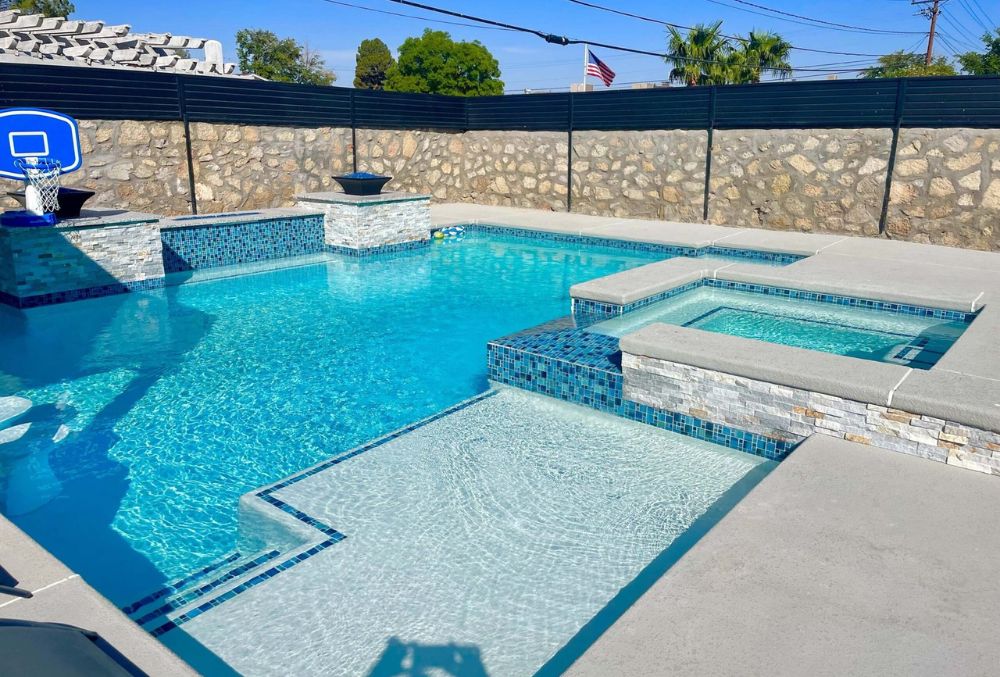
Once replastered, proper care dramatically increases longevity:
- Maintain balanced water chemistry
- Brush surfaces weekly during the first month
- Avoid aggressive cleaning tools
- Address stains early
- Schedule annual professional inspections
Consistent maintenance protects your investment and delays the next resurfacing cycle.
Key Takeaways for First-Time Pool Owners
Pool replastering becomes necessary when surfaces turn rough, stained, cracked, or difficult to maintain, even if your pool still holds water. In Las Vegas, traditional plaster typically lasts 5–8 years, while quartz, pebble, and fiberglass finishes offer progressively longer durability.
Delaying replastering often leads to higher repair costs and potential structural damage. Material choice plays a major role in longevity, comfort, and appearance, with pebble and fiberglass finishes providing the longest performance. Most importantly, desert-specific installation and proper startup chemistry are critical for ensuring your new surface lasts as long as intended.