What Is Pool Resurfacing and Why Does It Matter Before Summer?
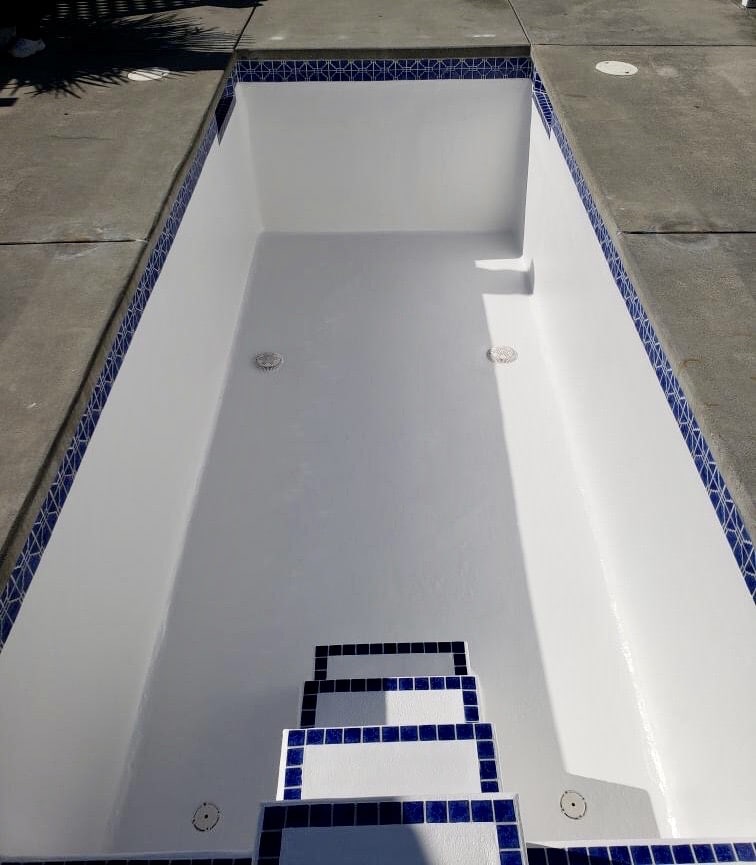
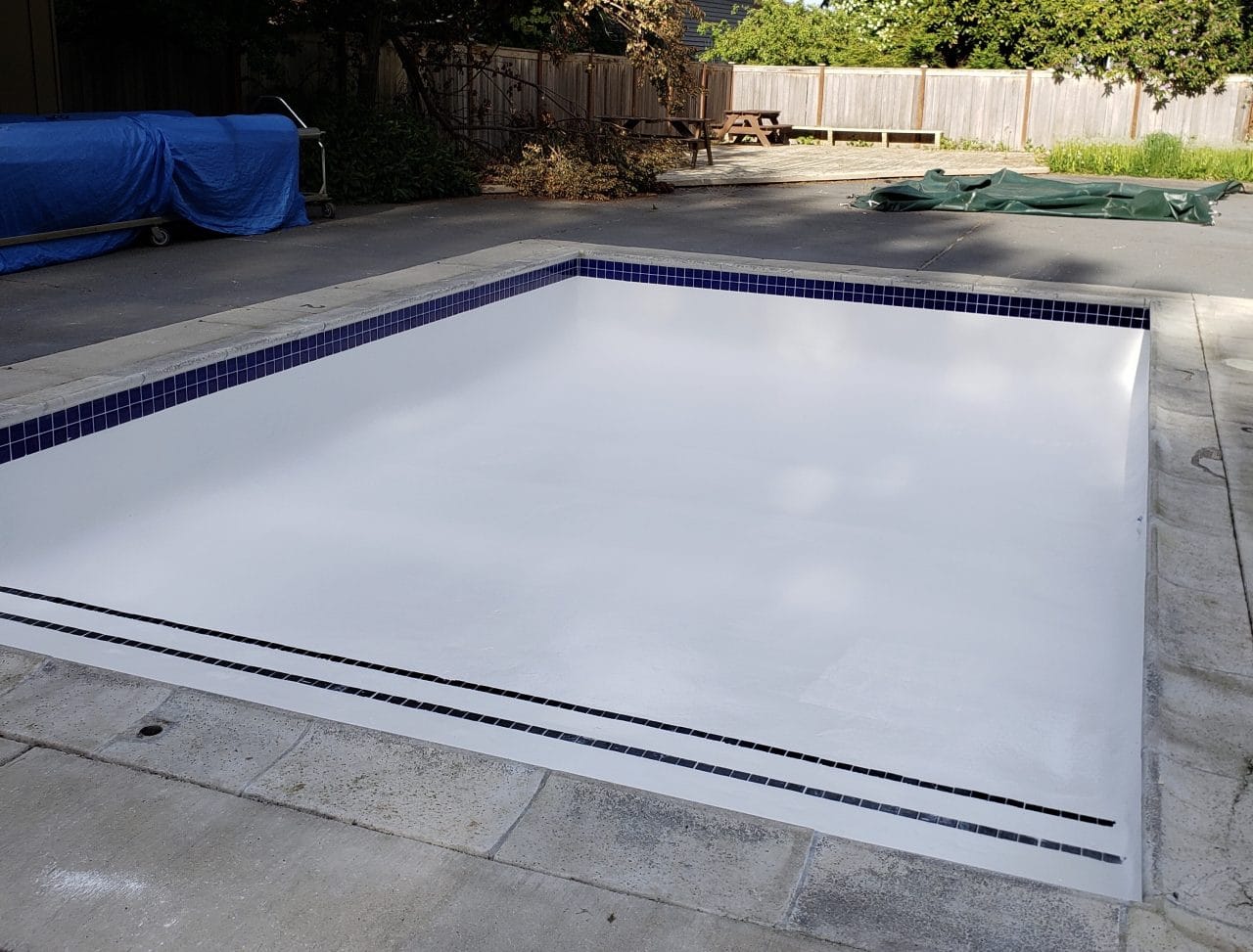
Pool resurfacing is the process of removing and replacing your pool’s interior finish to restore durability, smoothness, and visual appeal.
In Las Vegas, where summer temperatures regularly exceed 110°F, resurfacing isn’t just cosmetic—it protects your pool from extreme UV exposure, heavy use, and rapid chemical evaporation.
As summer approaches, many homeowners are scheduling Pool Resurfacing Las Vegas services to ensure their backyard centerpiece is fully prepared for months of constant use.
Why Las Vegas Summers Accelerate Pool Damage
Desert conditions are uniquely harsh on pool interiors. Constant sun exposure breaks down materials over time, while hard water leaves behind mineral deposits that stain and roughen surfaces.
Add frequent swimming, fluctuating chemical levels, and thermal expansion from intense heat, and even well-maintained pools begin to show signs of wear faster than in milder climates.
Because of this, spring is the ideal time to evaluate your pool’s condition before peak season arrives.
Signs Your Pool May Need Resurfacing
Rough or Uncomfortable Texture
If your pool floor feels abrasive or sandpaper-like underfoot, the finish is likely deteriorating. Aging plaster surfaces in particular tend to become rough as they break down.
Persistent Stains or Discoloration
When stains remain even after brushing and chemical adjustments, the surface may have become porous and permanently etched.
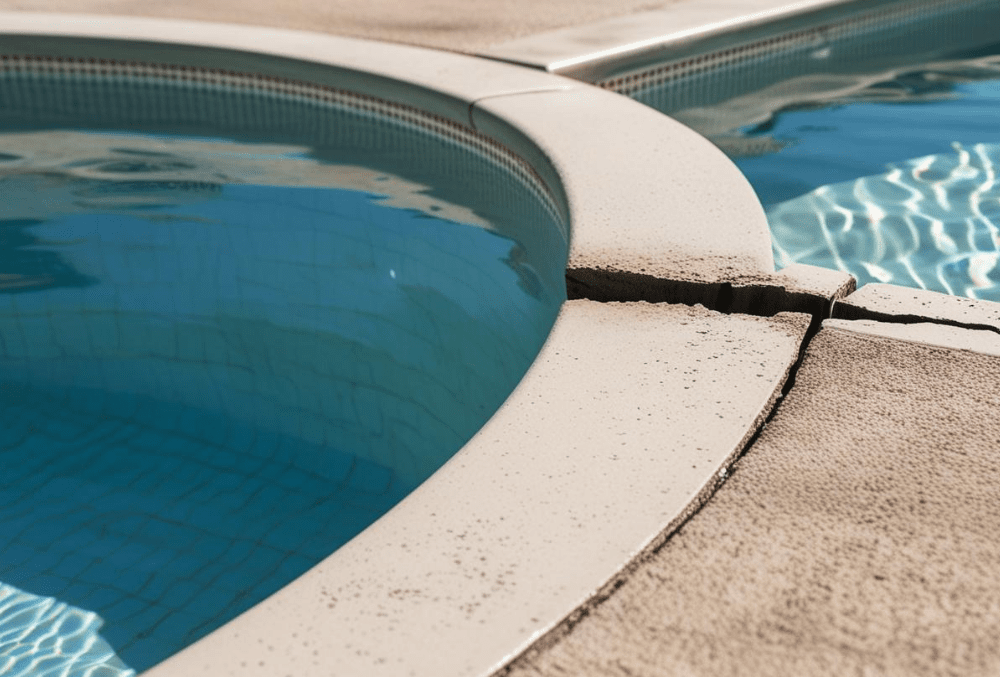
Cracks, Chips, or Surface Flaking
Small cracks can expand under Las Vegas heat. Addressing these issues early—often alongside professional pool repair Las Vegas services—prevents larger structural concerns later.
Increased Chemical Usage
If you find yourself constantly adjusting chlorine or pH levels, your surface may be absorbing chemicals due to porosity, making water balancing more difficult and expensive.
Plaster: A Traditional and Reliable Finish
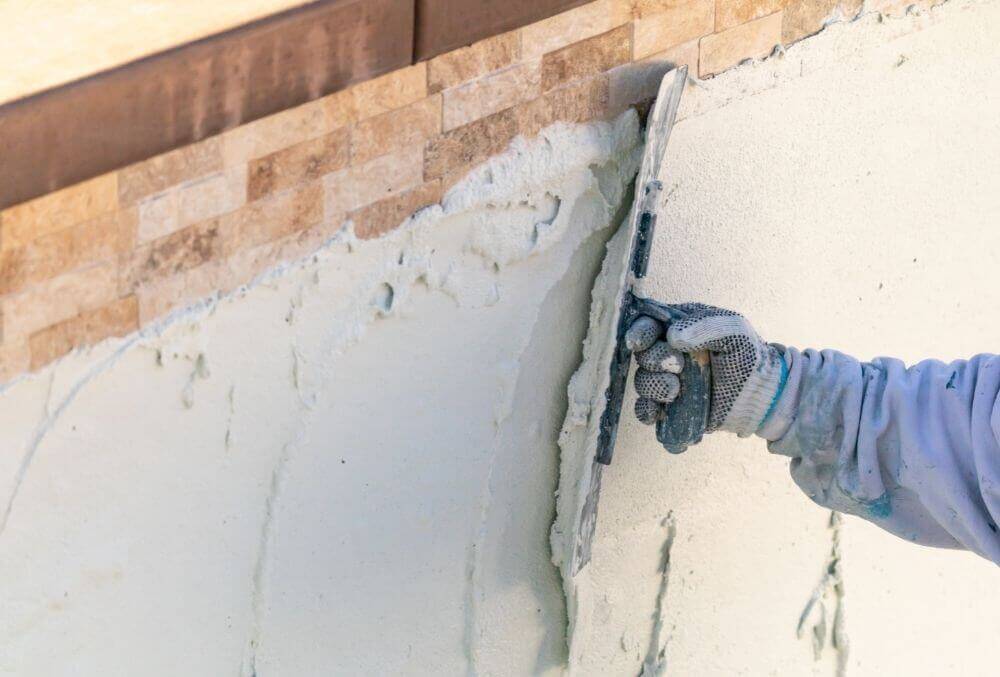
Why Homeowners Still Choose Plaster
Plaster remains one of the most popular finishes for residential pools. It provides a bright, classic look that enhances water clarity and complements desert landscaping. For many homeowners, professional pool plastering Las Vegas services offer a cost-effective way to refresh an aging pool.
Plaster typically has a lower upfront investment compared to fiberglass and allows for subtle tint variations to customize water color.
However, it is a porous material, meaning it can absorb minerals and chemicals over time. In the Las Vegas climate, plaster may need resurfacing every seven to ten years depending on maintenance.
For homeowners planning to stay in their property long term, understanding plaster’s maintenance needs is important when weighing resurfacing options.
Fiberglass: A Modern Upgrade for Durability
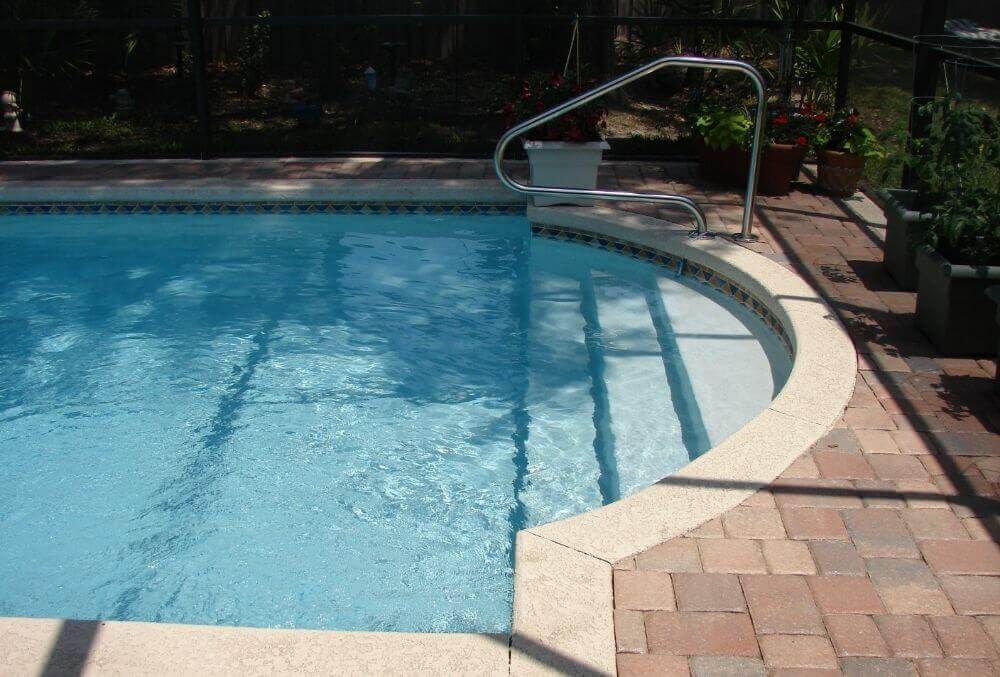
Why Fiberglass Is Gaining Popularity
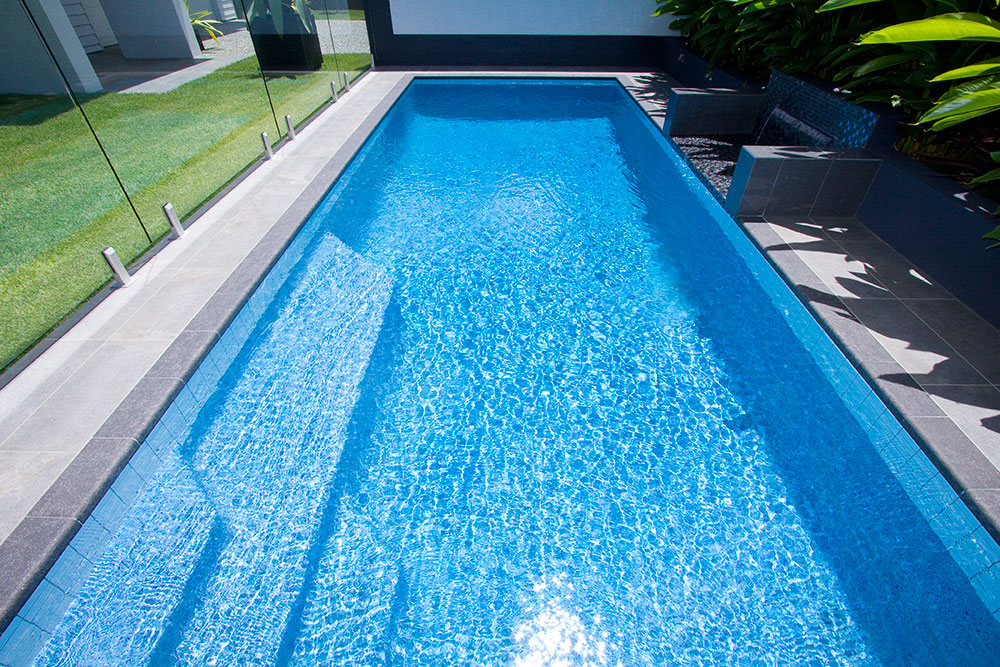
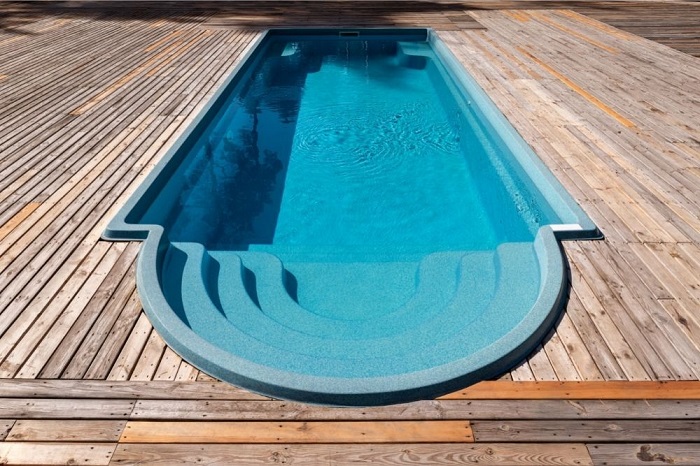
Advanced fiberglass pool options Las Vegas contractors offer are becoming increasingly attractive to homeowners seeking lower maintenance and extended lifespan.
Fiberglass creates a non-porous, seamless coating that resists algae growth and chemical absorption.
Because it does not easily absorb water or minerals, it generally requires fewer chemicals to maintain balance. Its smooth texture is comfortable underfoot and resistant to staining.
In extreme desert conditions, fiberglass often lasts 15 to 20 years with proper care—nearly double the lifespan of standard plaster in many cases.
Although the initial cost is higher, many homeowners appreciate the long-term durability and reduced maintenance demands.
Why Homeowners Are Resurfacing Before Summer
Protecting Your Investment
A deteriorating pool surface can lead to more serious structural problems if left untreated. Resurfacing protects the underlying shell and prevents minor surface damage from escalating.
Improving Comfort and Safety
Rough or cracked surfaces can cause scrapes and discomfort. A freshly resurfaced pool restores a smooth, safe swimming experience for family and guests.
Enhancing Curb Appeal
In Las Vegas, pools are central to backyard design. A new finish can dramatically brighten the water’s appearance, modernize your outdoor space, and even increase property value.
Reducing Long-Term Costs
While resurfacing requires an upfront investment, it can lower chemical usage, reduce repair frequency, and prevent costly emergency fixes during peak summer months.
Timing Matters in Las Vegas
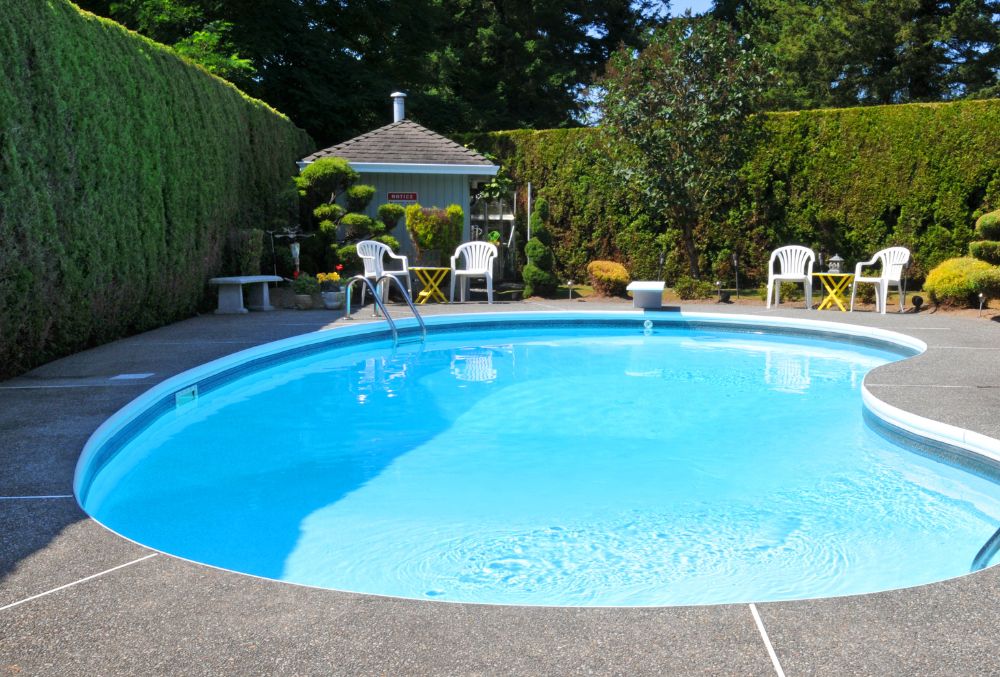
Scheduling resurfacing in spring allows materials to cure properly before extreme heat arrives. It also ensures your pool is ready when temperatures climb and daily swimming becomes routine.
Waiting until mid-summer can lead to limited contractor availability and inconvenient downtime during the hottest part of the year. Planning ahead keeps your pool accessible when you need it most.
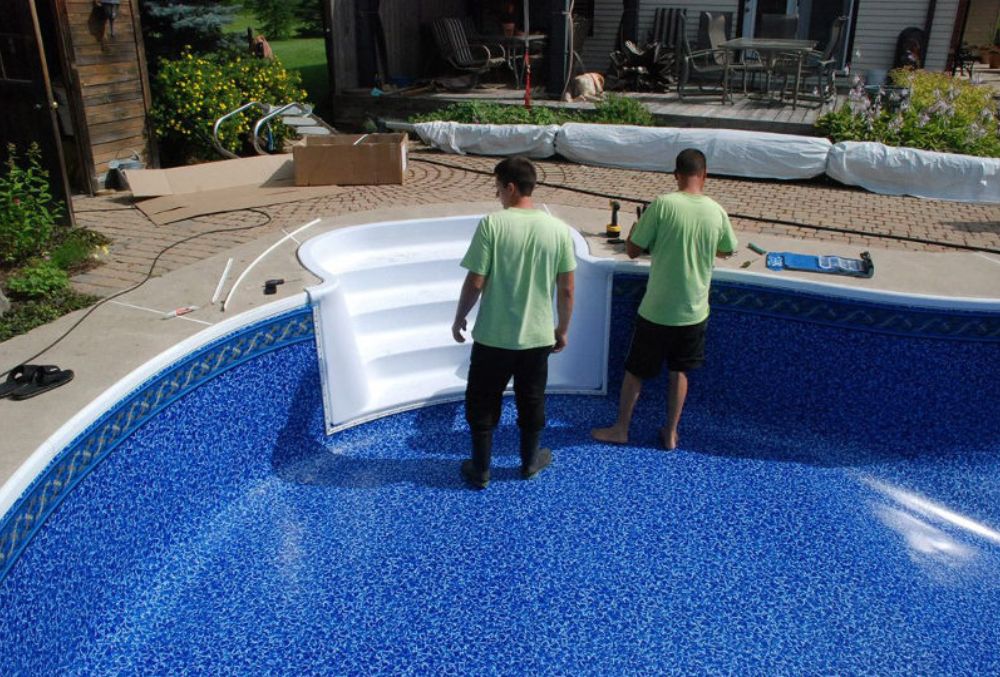
What to Expect During the Resurfacing Process
cracks or structural concerns are addressed before the new finish is applied. Once complete, the pool is refilled and chemically balanced to protect the new surface during curing.
Depending on pool size and chosen material, most residential projects take one to two weeks from start to finish.
Working with an experienced Pool Resurfacing Las Vegas professional ensures the job meets local standards and withstands desert conditions.
Is Your Pool Summer-Ready?
If your pool surface feels rough, looks stained, or requires constant maintenance, summer will only amplify those problems. The combination of heat, heavy use, and chemical stress can accelerate deterioration quickly.
Whether you choose classic plaster or modern fiberglass, resurfacing now ensures your backyard is fully prepared for months of enjoyment.
Before the first triple-digit day arrives, consider a professional inspection and explore the resurfacing options that best suit your home, budget, and long-term goals.