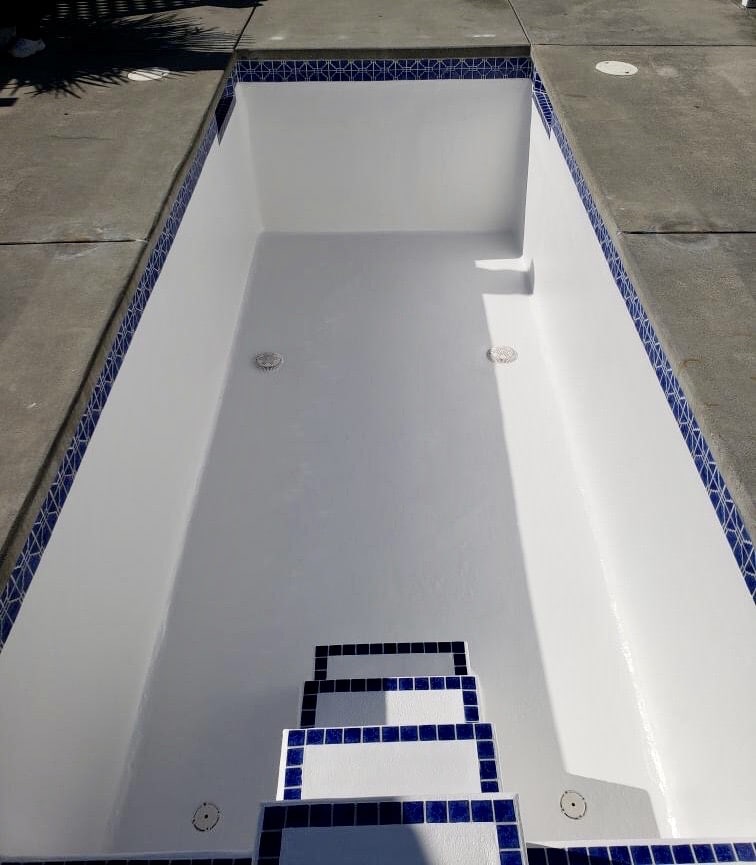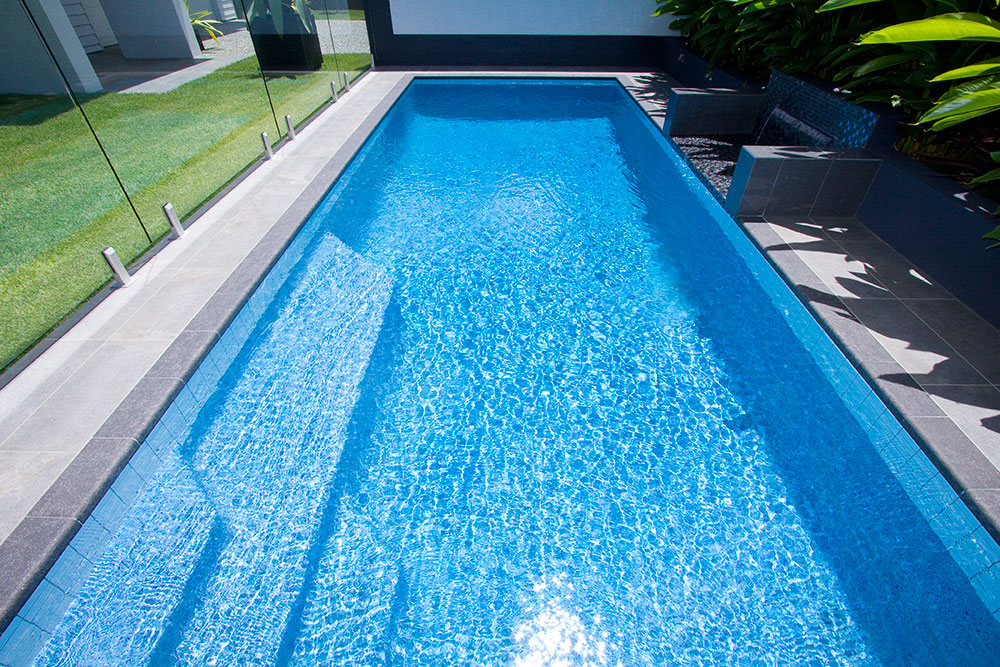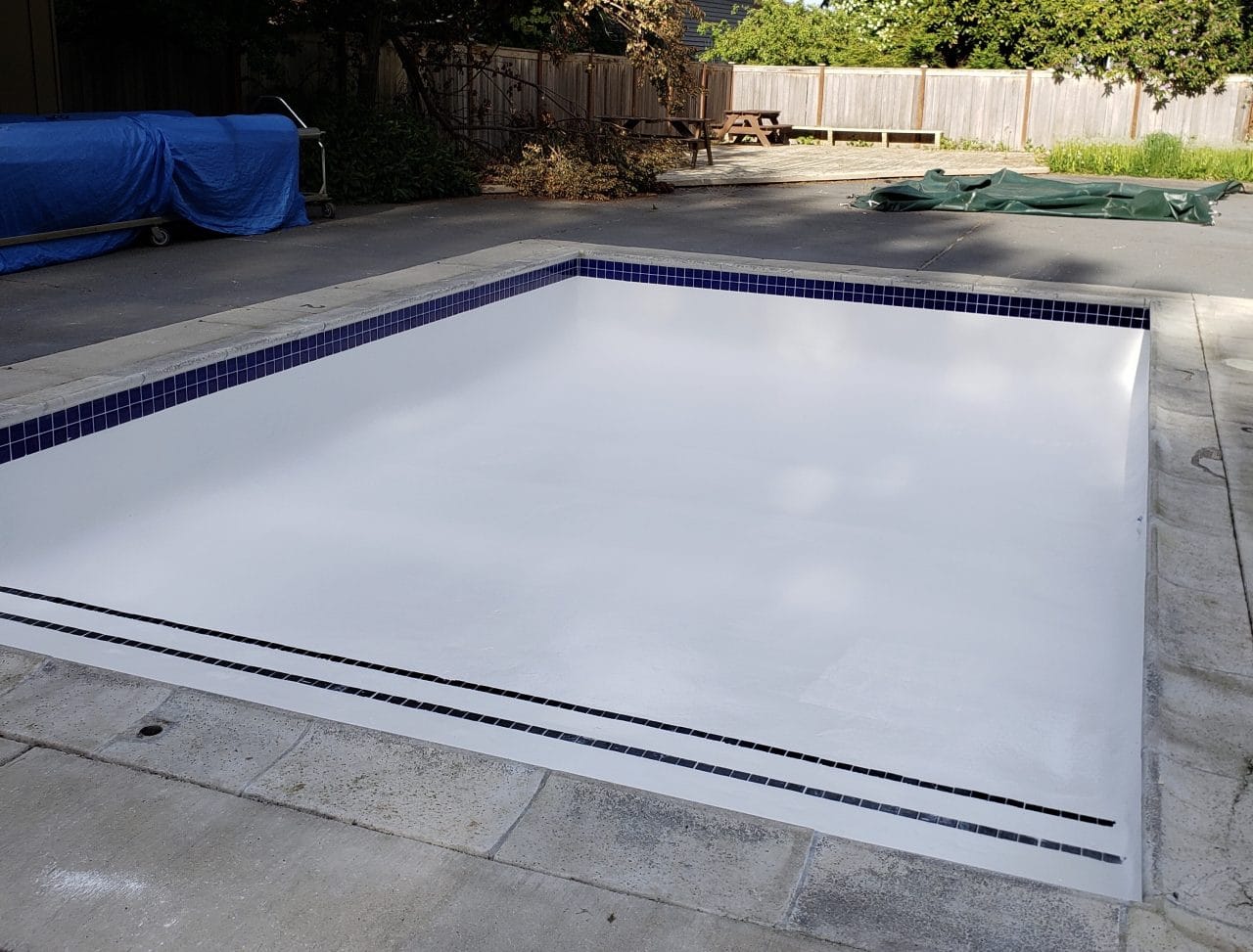
Las Vegas is known for its intense heat, low humidity, and sudden temperature shifts, all of which create unique challenges for swimming pool surfaces. While pool plaster provides a smooth and durable finish, it must be applied using methods designed specifically for desert climates. Without climate-specific techniques, pool plaster can deteriorate quickly, leading to cracks, discoloration, and rough textures.
Homeowners in Las Vegas benefit from understanding why standard plastering methods often fall short in desert environments. Choosing specialized materials and installation processes ensures long-lasting results and protects the investment made in a swimming pool.
Understanding the Challenges of Pool Plastering Las Vegas NV Homes Require
Las Vegas pools face extreme environmental stress compared to pools in milder climates. High daytime temperatures, intense UV exposure, and minimal rainfall create conditions that accelerate wear on pool surfaces.
That’s why professional pool plastering Las Vegas NV services are designed with these conditions in mind. Without proper techniques, plaster can dry too quickly during installation—leading to weak bonding, surface defects, and reduced lifespan.
Some of the most common climate-related challenges include:
- Rapid moisture evaporation during hot weather
- Surface cracking caused by temperature fluctuations
- Fading or discoloration from intense UV rays
- Mineral buildup due to hard water
- Increased risk of surface shrinkage
Why Desert Heat Changes the Way Plaster Is Applied
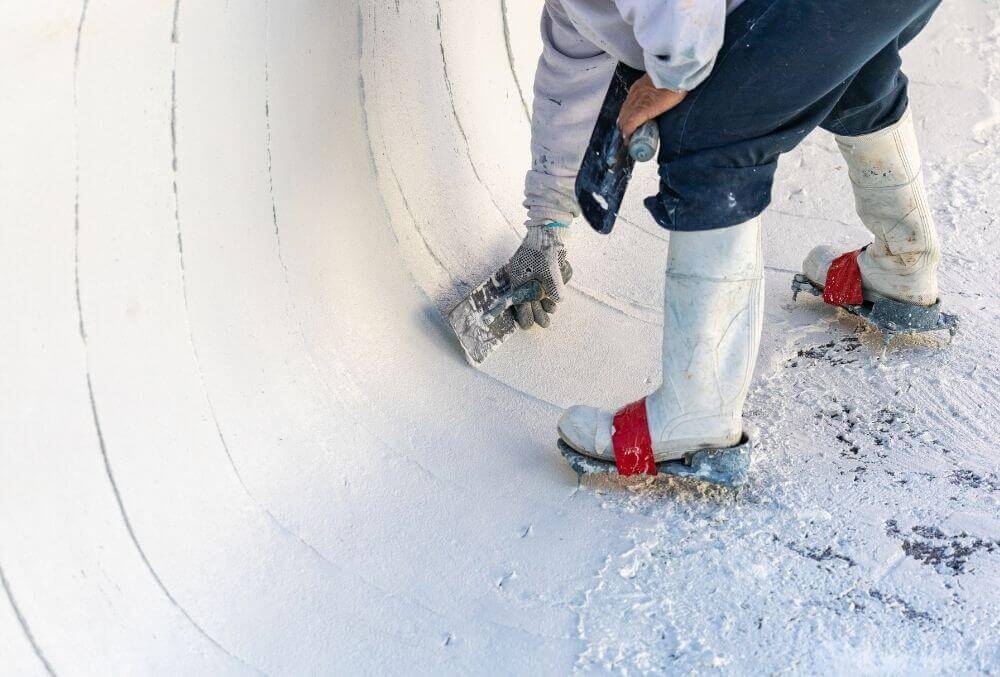
Unlike regions with moderate climates, Las Vegas requires careful timing and preparation during plaster installation. High temperatures can cause plaster to dry faster than intended, which weakens its structural integrity.
Professional installers often schedule plastering during cooler hours to slow the curing process. Maintaining proper hydration levels within the plaster mixture is also critical.
Key adjustments made for desert climates include:
- Monitoring weather forecasts before installation
- Applying plaster during early morning hours
- Using controlled curing methods
- Adding water-retention components to the mixture
- Protecting fresh plaster from direct sunlight
These techniques help prevent premature drying, which can lead to long-term structural problems.
Understanding the role of temperature in plaster performance helps homeowners appreciate why climate-specific methods are necessary.
Advanced Materials Used in Las Vegas Pool Plastering Projects
Modern materials have significantly improved the durability of pool plaster in harsh climates. Advanced blends are designed to resist UV damage, reduce cracking, and maintain smooth finishes even under intense sun exposure.
Professional las vegas pool plastering projects often use enhanced plaster formulations that contain additives for improved flexibility and strength.
Benefits of advanced plaster materials include:
- Improved resistance to heat-related expansion
- Longer-lasting color retention
- Reduced shrinkage during curing
- Greater resistance to chemical damage
- Enhanced durability in high-temperature environments
The Role of Water Chemistry in Desert Pool Durability
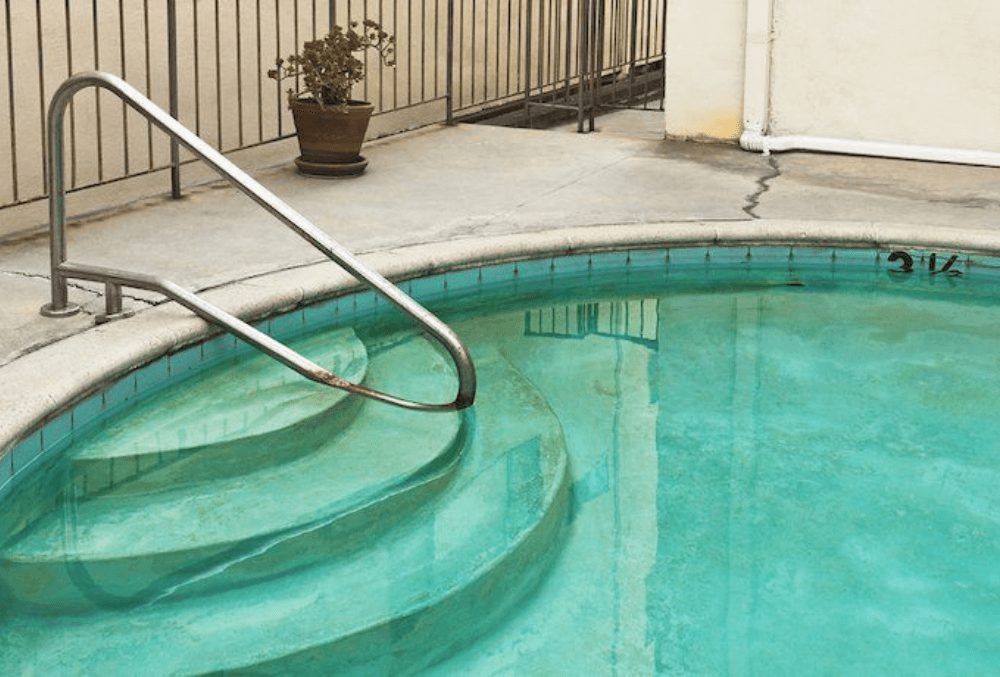
Water chemistry plays a significant role in the lifespan of pool plaster, especially in regions with hard water like Las Vegas. Mineral-heavy water can accelerate scaling and roughen the plaster surface if not managed correctly.
Maintaining proper water balance is essential after plaster installation. Without it, even high-quality materials may degrade prematurely.
Important chemical factors include:
- Calcium hardness levels
- pH balance
- Alkalinity levels
- Chlorine concentration
- Total dissolved solids
Professional installers often provide guidance on maintaining water chemistry to protect new plaster.
Consistent monitoring helps prevent damage and keeps pool surfaces smooth and visually appealing.
How Surface Preparation Impacts Long-Term Performance
Successful pool plastering begins long before the new surface is applied. Proper preparation ensures strong bonding between the existing structure and the fresh plaster layer.
In desert climates, preparation must address conditions such as dryness and structural stress caused by heat expansion.
Critical preparation steps include:
- Removing damaged or worn plaster
- Repairing cracks and structural flaws
- Cleaning surfaces thoroughly
- Moistening the substrate before plastering
- Ensuring proper surface texture for adhesion
Skipping these steps increases the risk of premature failure.
Climate-specific preparation techniques help ensure the plaster adheres correctly and withstands environmental stress.
Why Modern Pool Plaster Las Vegas Solutions Last Longer
Traditional plaster methods often struggle to withstand Las Vegas climate extremes. Modern pool plaster las vegas systems are engineered to resist both heat and chemical exposure.
These systems include protective features designed to extend the lifespan of pool finishes.
Advantages of modern plaster solutions include:
- Increased resistance to cracking
- Better flexibility during temperature changes
- Improved surface smoothness
- Enhanced durability against UV damage
- Reduced maintenance requirements
The Importance of Professional Installation in Desert Conditions
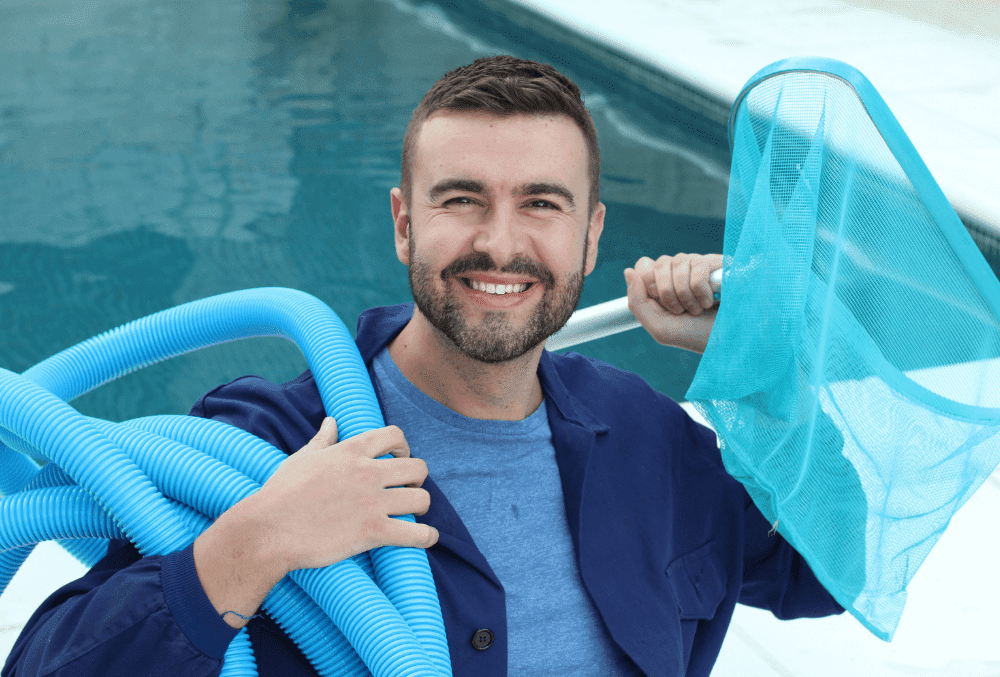
Pool plastering requires precise timing, skilled application, and specialized equipment—especially in climates as demanding as Las Vegas. Professional installers understand how environmental factors influence each stage of the process.
Experienced contractors follow structured methods to ensure consistent results.
Benefits of professional installation include:
- Accurate material mixing and application
- Proper curing control
- Reliable crack prevention techniques
- Use of advanced tools and equipment
- Compliance with industry standards
Professional installation minimizes risks associated with extreme weather conditions.
Choosing experienced professionals helps ensure long-term durability and consistent performance.
Long-Term Maintenance Strategies for Desert Pools
Maintaining pool plaster in Las Vegas requires regular care and proactive maintenance. Simple routines can significantly extend the lifespan of plaster surfaces.
Recommended maintenance practices include:
- Brushing pool walls regularly
- Monitoring water chemistry weekly
- Cleaning mineral buildup promptly
- Inspecting for small cracks or rough areas
- Scheduling periodic professional inspections
Routine maintenance prevents minor issues from becoming costly repairs.
Homeowners who maintain their pools consistently often experience fewer resurfacing needs.
Climate-Specific Pool Plastering Protects Your Investment
Las Vegas pools face environmental conditions that demand specialized solutions. From intense UV exposure to rapid temperature changes, every factor influences the performance of pool plaster.
Using climate-specific methods ensures stronger adhesion, smoother finishes, and improved resistance to environmental stress. Professional installation, advanced materials, and proper maintenance all contribute to long-lasting results.
When homeowners choose plastering methods designed for desert conditions, they protect both the appearance and structural integrity of their pools. Investing in climate-aware techniques not only extends the life of the plaster but also helps maintain a safe, attractive swimming environment for years to come.