Las Vegas pools don’t just need to look good—they need to survive one of the harshest climates in the country. With triple-digit heat, relentless UV exposure, and mineral-heavy water, traditional pool plaster often struggles to keep up. That’s why next-generation pool plaster systems are gaining attention.
These modern materials and application methods are specifically engineered to handle desert conditions, offering longer-lasting performance, improved durability, and better resistance to the elements. If you’re planning a resurfacing project or noticing early signs of wear, understanding how these advanced solutions work can help you make a smarter investment.
How Pool Plastering Las Vegas Has Evolved to Handle Extreme Heat
Traditional plaster materials were not designed to withstand prolonged exposure to intense desert heat. In Las Vegas, temperatures often soar above 100°F, causing older plaster to expand, contract, and eventually crack. This repeated stress weakens the surface and accelerates deterioration.
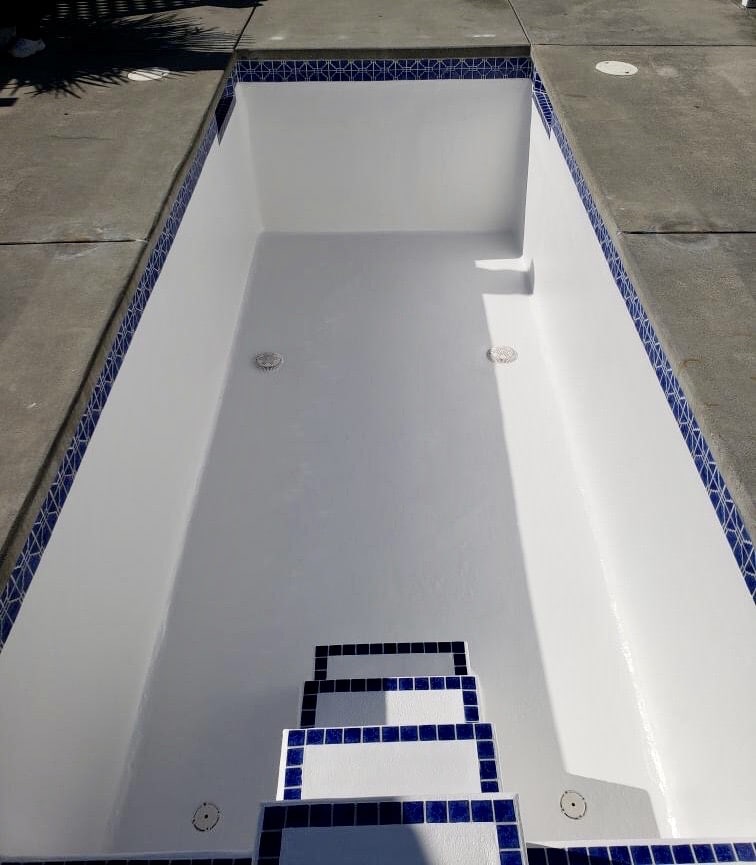
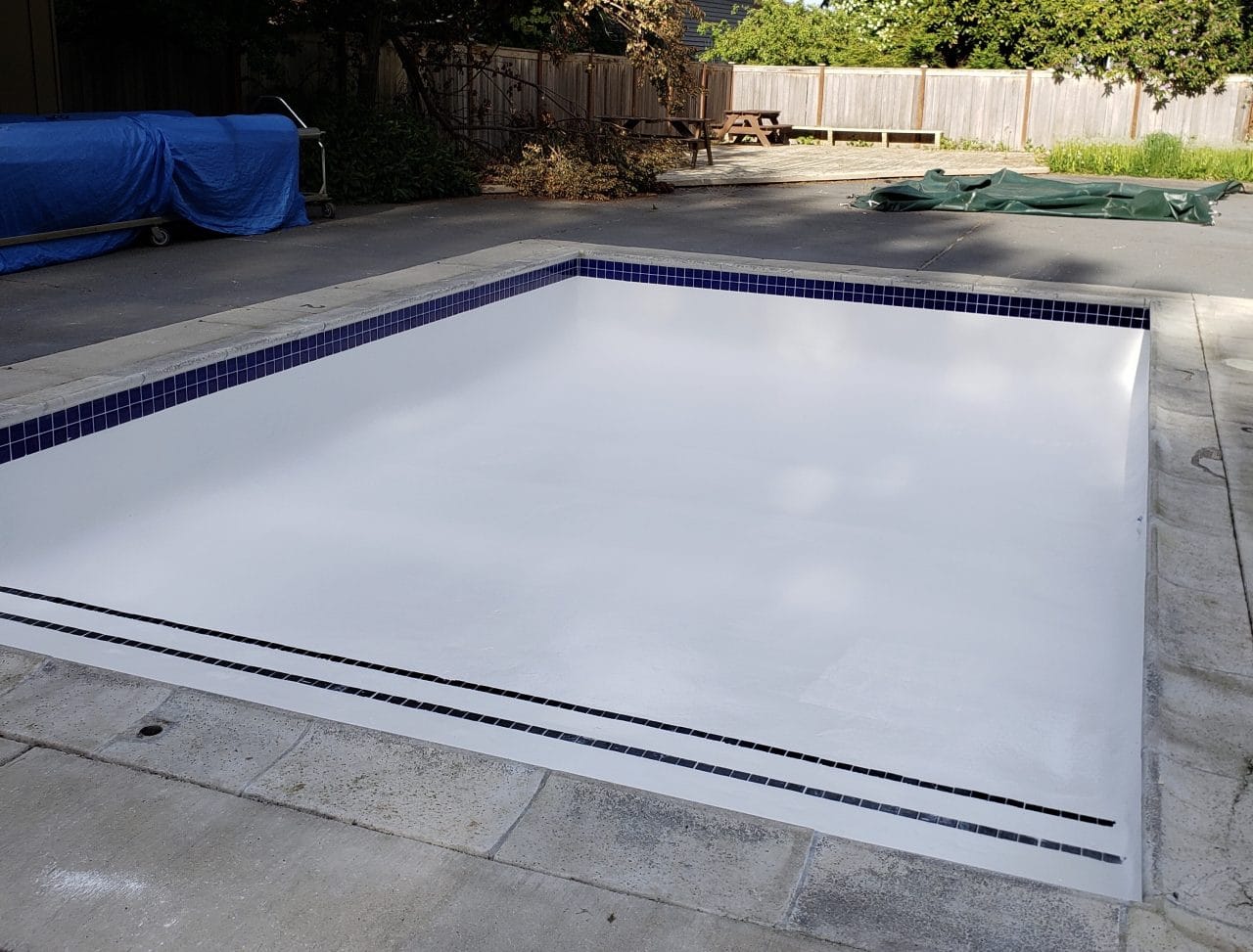
Modern pool plastering Las Vegas solutions incorporate advanced aggregates and polymers that strengthen the plaster matrix. These additions help minimize cracking and reduce surface breakdown caused by extreme thermal expansion. The result is a smoother, longer-lasting finish that maintains its structural integrity even during the hottest months.
Additionally, newer plaster blends improve resistance to UV exposure. Sunlight in desert climates can fade finishes and degrade materials, but enhanced formulations slow down this process and help preserve both color and texture.
Why Pool Plaster Las Vegas Requires Materials That Resist Rapid Temperature Swing
While daytime heat is a major concern, nighttime cooling can also create problems. Las Vegas temperatures often drop significantly after sunset, leading to rapid expansion and contraction cycles within pool surfaces.
High-quality pool plaster Las Vegas systems are designed with flexibility in mind. Advanced bonding agents allow the plaster to move slightly without cracking, helping maintain surface strength over time. This adaptability is especially important for pools exposed to direct sunlight throughout the day and cooler evening air.
Another important factor is moisture retention. In desert climates, water evaporates quickly, leaving plaster surfaces vulnerable to drying and weakening. Newer materials are formulated to retain moisture more effectively during curing, resulting in stronger and more resilient finishes.
The Role of Climate-Specific Formulas in Preventing Long-Term Damage
Not all plaster products perform equally in extreme climates. Materials designed for milder regions often fail prematurely in Las Vegas due to heat stress, mineral buildup, and rapid evaporation.
Climate-specific plaster formulas help prevent common issues such as:
- Surface cracking
- Rough texture development
- Color fading
- Premature scaling
- Structural weakening
When these problems appear, timely pool plaster repair las vegas services become essential to prevent more extensive damage. Small cracks or surface defects can allow water to seep beneath the plaster layer, leading to structural complications that require more intensive restoration.
If you’re concerned about early signs of wear, this article provides helpful insights:
The Silent Damage Happening to Pool Plaster in Las Vegas Right Now
Enhanced Durability Through Advanced Aggregate Technology
One of the biggest improvements in next-generation plaster is the use of specialized aggregates. These materials increase surface strength while also improving visual appeal.
Popular modern aggregates include:
- Quartz-based materials for added hardness
- Pebble finishes for improved slip resistance
- Polished stone blends for durability and aesthetic value
These aggregates reduce the risk of etching and staining, which are common in desert environments with high mineral content in water. They also help maintain a consistent surface texture, making maintenance easier and improving swimmer comfort.
Beyond durability, many of these materials enhance reflectivity, helping keep pool water cooler even under intense sunlight.
Why Proper Installation Matters as Much as Material Quality
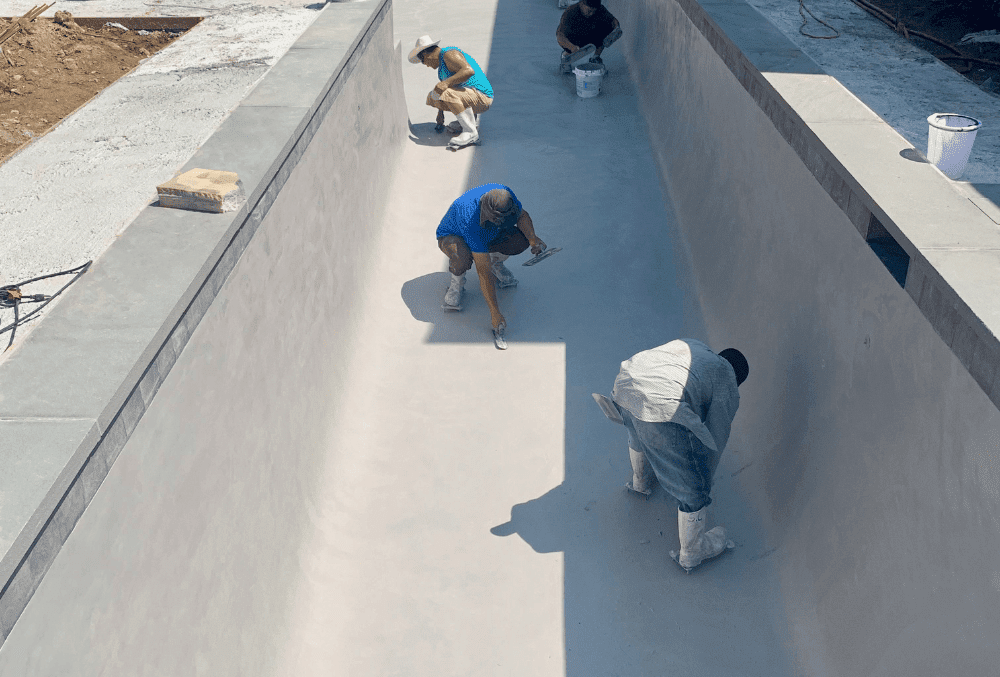
Even the most advanced plaster will fail if installation is not handled correctly. Professional techniques ensure that the plaster bonds securely and cures properly under local climate conditions.
Key installation factors include:
- Correct surface preparation
- Precise mixing ratios
- Controlled curing conditions
- Proper hydration timing
- Careful finishing methods
Experienced contractors understand how Las Vegas weather impacts each phase of installation. Their knowledge helps prevent premature defects and ensures the plaster reaches its full lifespan potential.
Routine inspections also play a critical role. Identifying minor surface changes early allows for maintenance before problems escalate into larger structural concerns.
Long-Term Benefits of Next-Generation Pool Plaster Systems
Choosing modern plaster materials designed for desert climates offers several long-term advantages:
- Reduced maintenance frequency
- Improved resistance to cracking
- Enhanced color stability
- Greater structural reliability
- Extended surface lifespan
These benefits make next-generation plaster an investment in both performance and longevity. By selecting materials specifically engineered for extreme environments, pool owners can enjoy smoother surfaces and fewer disruptions caused by repairs.
Built to Withstand Las Vegas Climate Challenges
Next-generation pool plaster systems are engineered to meet the demanding conditions found in Las Vegas. From resisting heat stress to handling rapid temperature shifts, these advanced materials provide the durability needed for long-term performance.
With proper installation and timely maintenance, climate-specific plaster solutions help protect pool surfaces from premature deterioration. As technology continues to evolve, pool owners have more reliable options than ever for maintaining strong, visually appealing surfaces designed to thrive in desert environments.