How Pool Plastering Helps Prevent Rough Pool Surface Development
One of the most common complaints among pool owners is the development of rough pool surfaces over time. What once felt smooth and comfortable can gradually become abrasive, uneven, and unpleasant for swimmers.
In Las Vegas, this issue often develops faster because pools are exposed to intense sunlight, mineral-heavy water, fluctuating temperatures, and heavy seasonal usage. These conditions slowly wear down aging plaster finishes, especially when older materials or outdated installation methods were used.
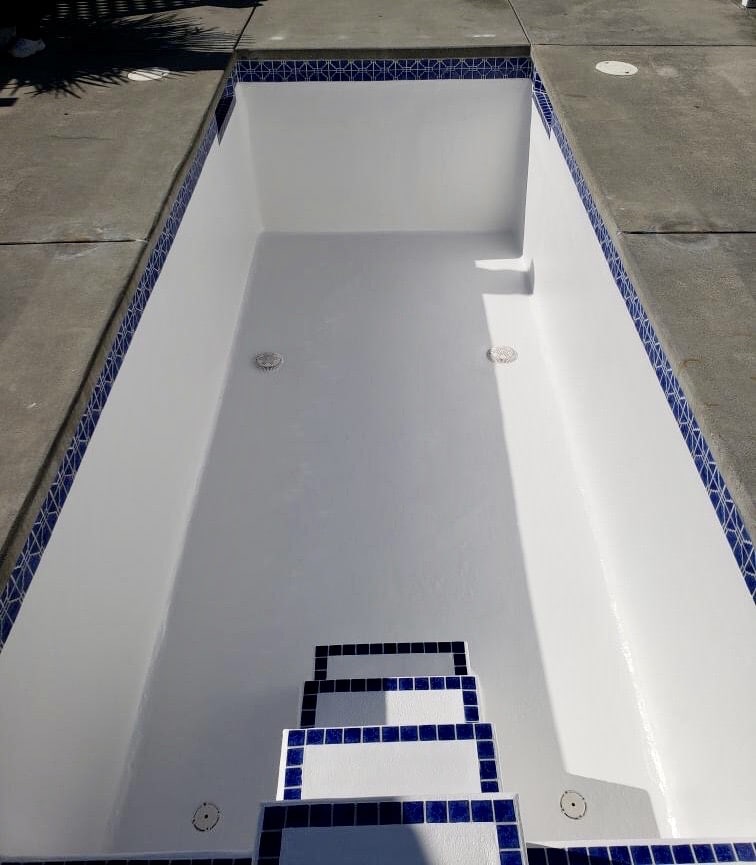
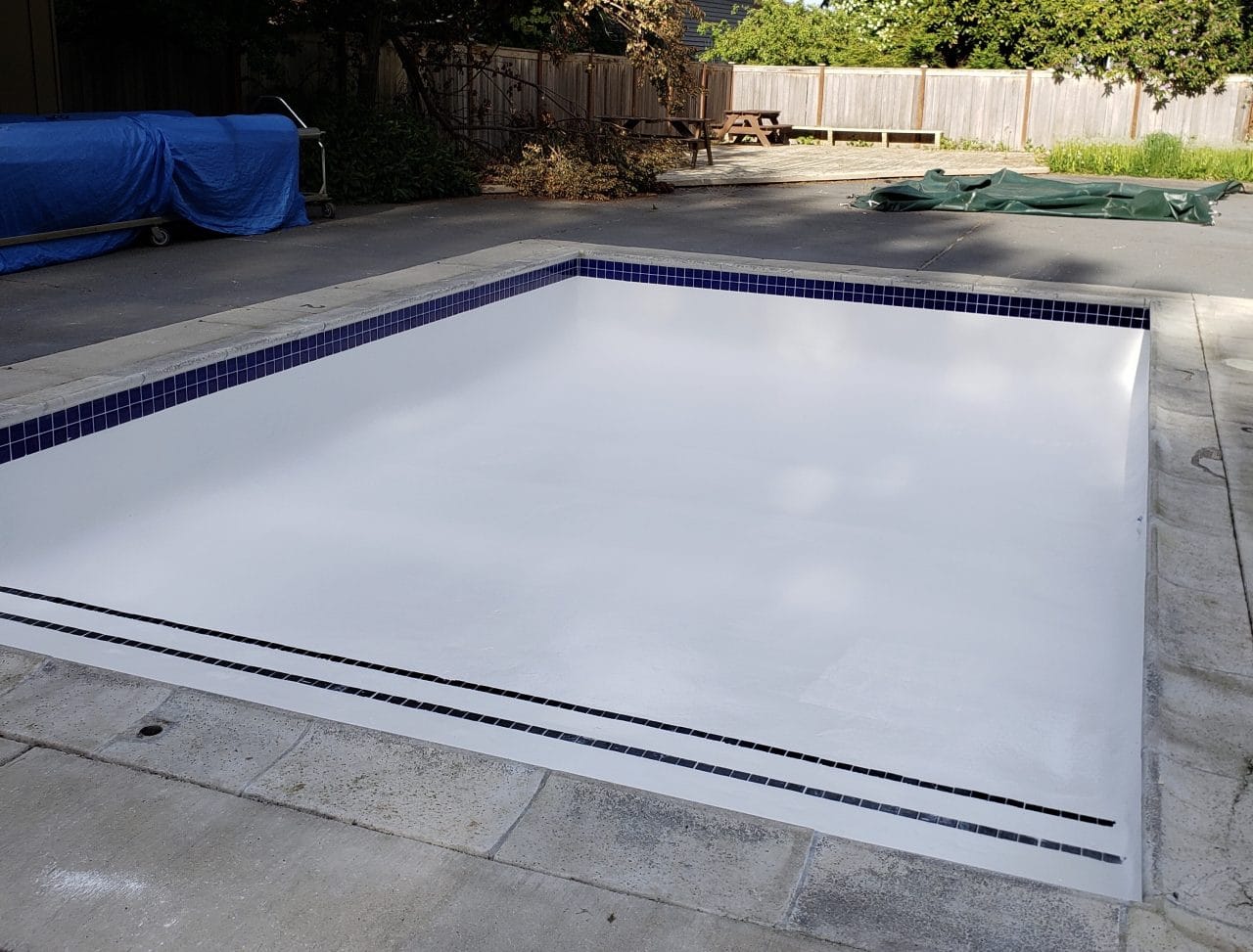
Modern pool plastering Las Vegas services are designed not only to restore appearance, but also to help prevent rough surface development before it becomes a larger structural problem.
What Causes Pool Surfaces to Become Rough?
Several factors contribute to rough pool texture in desert climates.
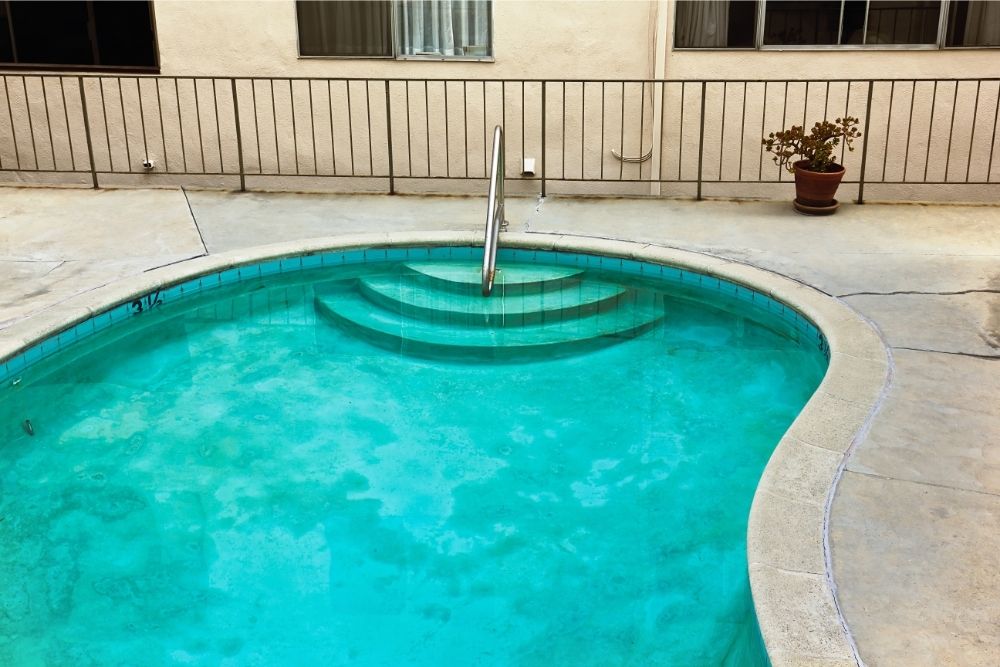
One of the biggest causes is calcium scaling. Hard water minerals gradually build up on the plaster surface, creating a coarse texture that becomes more noticeable over time.
Chemical imbalance can also weaken plaster finishes. Improper pH levels or excessive chemical exposure slowly break down surface materials, leading to pitting and deterioration.
Heat exposure adds another layer of stress. Las Vegas pools regularly experience expansion and contraction cycles caused by extreme daytime temperatures and cooler evenings.
As these conditions continue year after year, older plaster systems begin losing their smooth consistency.
How Modern Pool Plastering Helps
Today’s plastering systems are designed to resist many of the issues that contribute to surface deterioration.
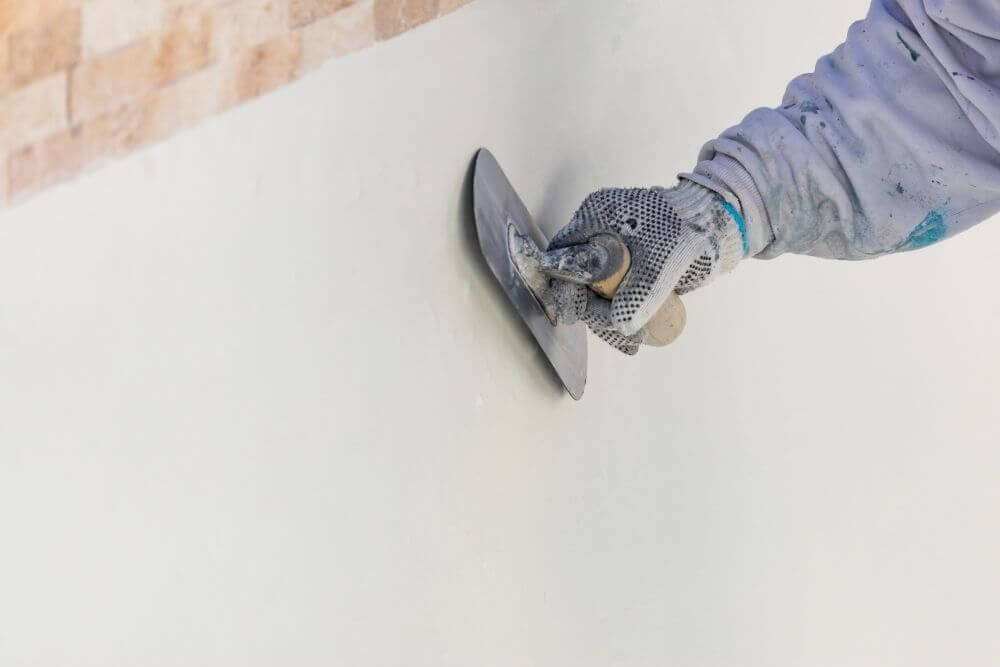
Professional pool plastering Las Vegas solutions use more durable aggregate blends, stronger bonding agents, and climate-adapted materials that help maintain smoother finishes longer.
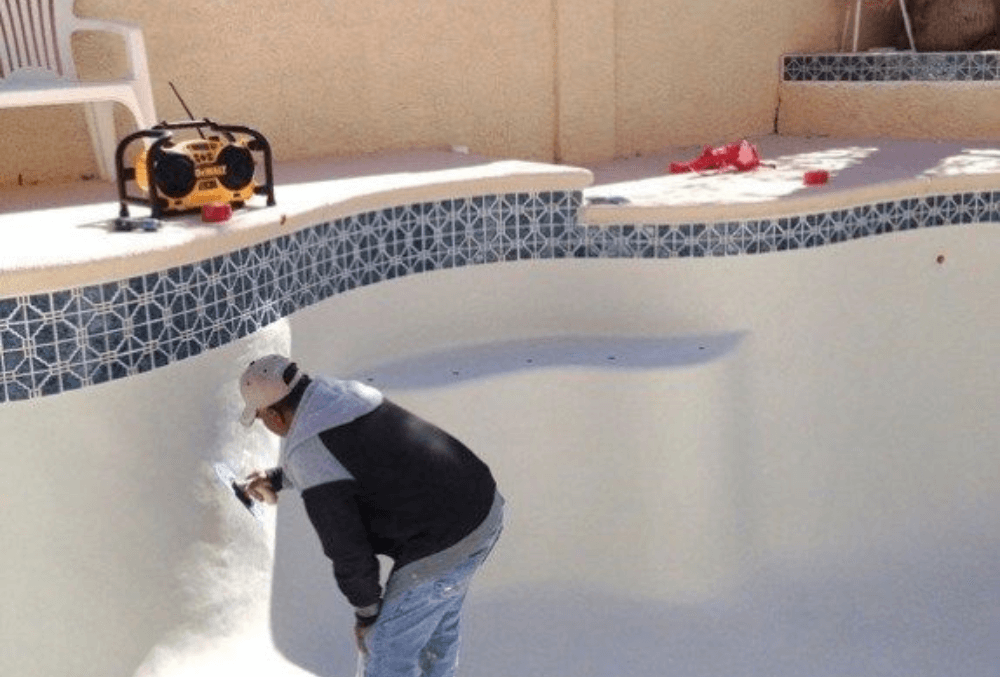
Modern resurfacing processes also focus heavily on preparation. Existing surface damage is carefully addressed before any new plaster is applied.
This includes:
- Repairing cracks and weak areas
- Removing deteriorated plaster
- Correcting uneven sections
- Addressing moisture-related damage
- Preparing the surface for stronger adhesion
By stabilizing the underlying surface first, the new finish performs more consistently over time.
Smoother Surfaces Improve the Entire Pool Experience
Comfort plays a major role in how homeowners evaluate their pools.
Rough surfaces can cause discomfort for swimmers, especially on feet, hands, and knees. Families with children often notice these problems first because rough plaster becomes more obvious during frequent use.
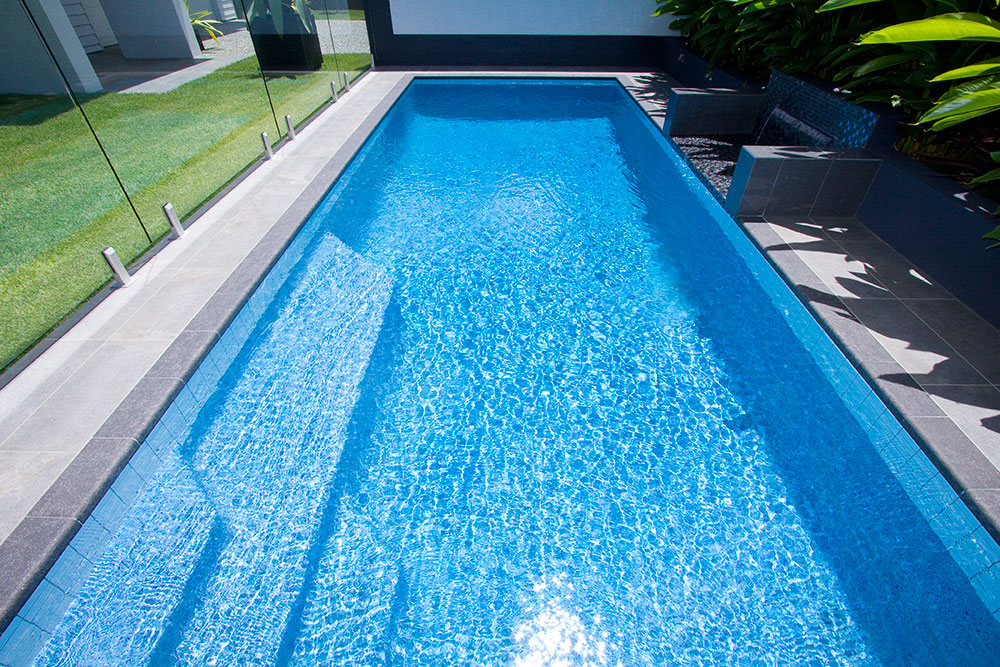
Modern plaster systems help create smoother swimming surfaces that remain more comfortable even after years of exposure.
At the same time, smoother finishes are often easier to maintain because they reduce the amount of debris and mineral buildup that can cling to heavily textured surfaces.
Homeowners looking into long-term plaster protection frequently discover that maintaining surface smoothness is closely connected to the overall durability of the pool finish.
Why Desert-Climate Materials Matter
Las Vegas pool environments require more than standard plaster products.
Specialized desert-climate materials are engineered to tolerate higher UV exposure, faster evaporation rates, and stronger temperature fluctuations.
These materials are often designed to:
- Resist scaling buildup
- Improve finish durability
- Reduce premature wear
- Maintain smoother texture longer
- Handle thermal expansion more effectively
Using durable plaster systems designed for desert conditions helps minimize the likelihood of rapid deterioration that often affects lower-quality finishes.
Preventing Small Issues From Becoming Major Repairs
Rough texture is often one of the earliest warning signs of larger plaster problems.
As the surface weakens, small imperfections can expand into deeper deterioration, staining, cracking, or widespread surface failure.
Addressing these problems early through modern plastering solutions allows homeowners to restore surface performance before more expensive structural repairs become necessary.
This proactive approach typically provides better long-term value compared to waiting until severe deterioration occurs.
Conclusion
Rough pool surfaces rarely develop overnight. In most cases, they are the result of years of environmental stress, mineral exposure, and aging plaster materials.
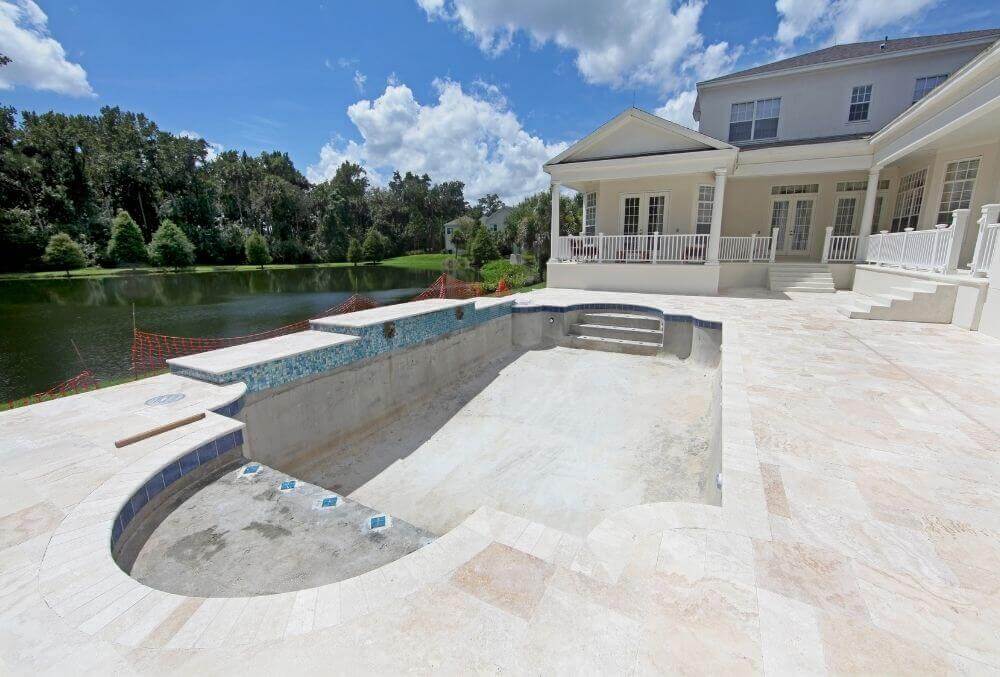
Modern pool plastering solutions help Las Vegas homeowners combat these issues by creating stronger, smoother, and more climate-resistant surfaces designed specifically for desert conditions.
By investing in updated plaster systems before major deterioration occurs, homeowners can improve swimmer comfort, extend pool lifespan, and maintain a cleaner, more enjoyable outdoor environment.