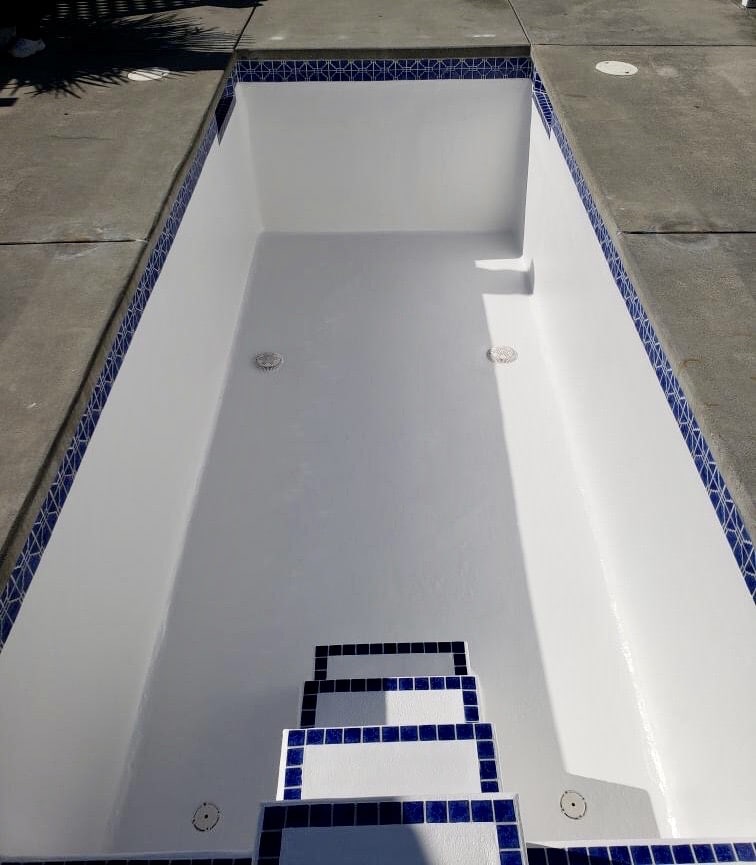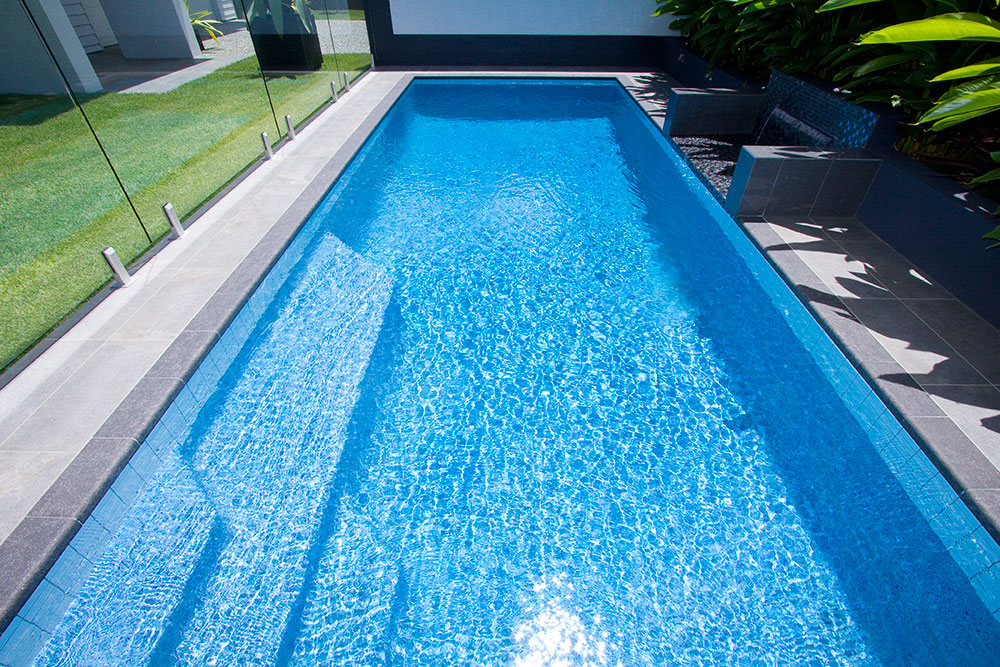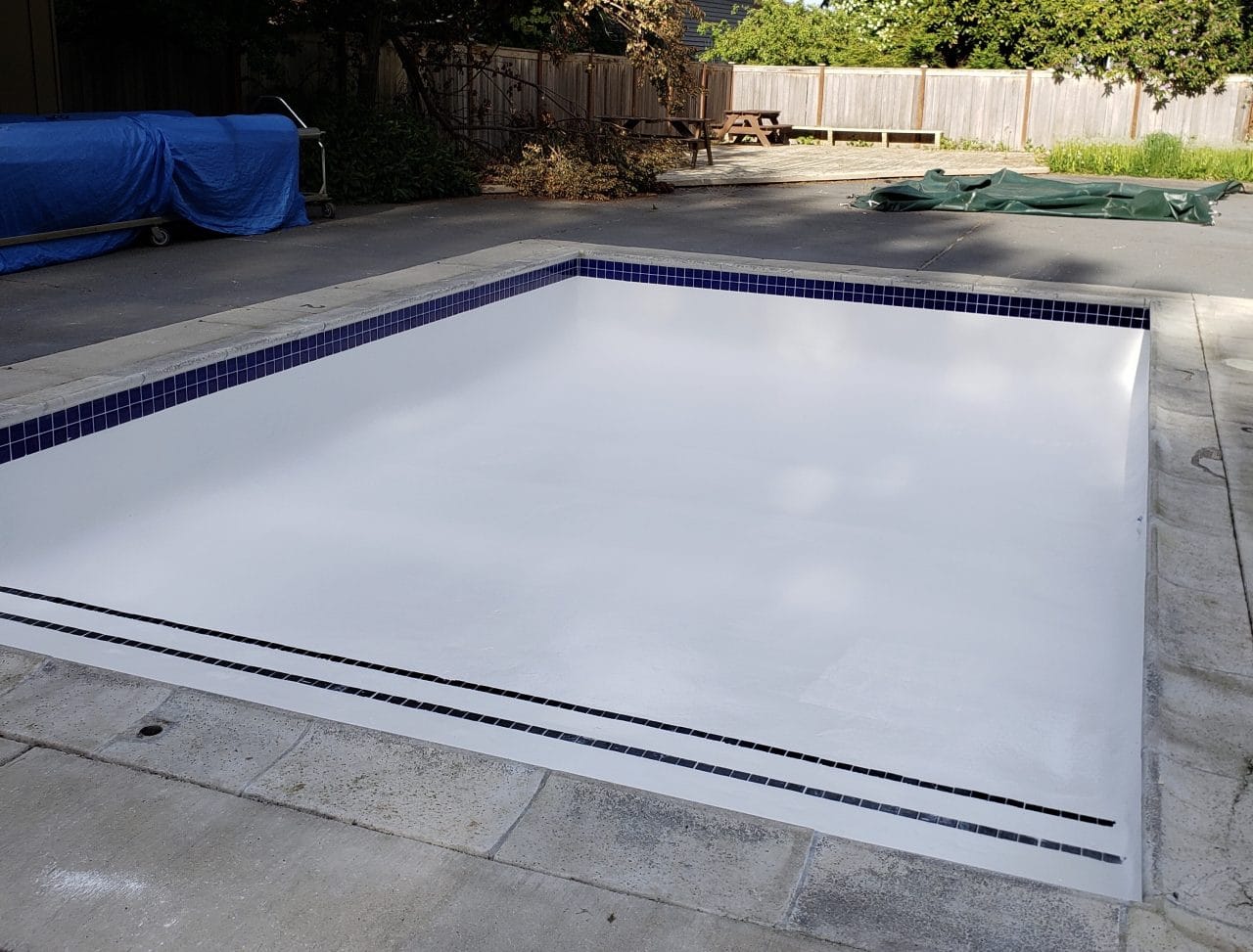
Pool owners in Las Vegas often focus on visible problems like cracks, stains, or rough textures, but some of the most serious damage begins long before these signs appear. Beneath the smooth surface of many pools, silent deterioration may already be taking place due to the region’s extreme environmental conditions. The intense desert heat, mineral-heavy water, and continuous exposure to sunlight slowly weaken plaster, often without immediate warning.
This gradual process can leave homeowners unaware that their pool surface is aging faster than expected. By understanding what causes this silent damage and how it progresses, pool owners can take action before minor wear turns into costly repairs.
How Pool Plastering Las Vegas Projects Are Affected by Hidden Stress
Las Vegas pools face a unique combination of stress factors that differ from those in cooler or more humid regions. Even when plaster appears smooth and intact, internal damage may be developing due to constant expansion and contraction caused by temperature shifts. During the day, surfaces absorb heat from direct sunlight, while cooler nighttime temperatures cause them to contract. This daily cycle weakens the bond between plaster layers over time.
Modern pool plastering Las Vegas projects are designed to address these challenges, but older pools may not have been installed using climate-specific techniques. As a result, microscopic cracks can begin forming beneath the surface long before they become visible. These small flaws allow water to seep into vulnerable areas, gradually increasing the risk of surface failure.
Why Surface Discoloration May Signal Deeper Problems
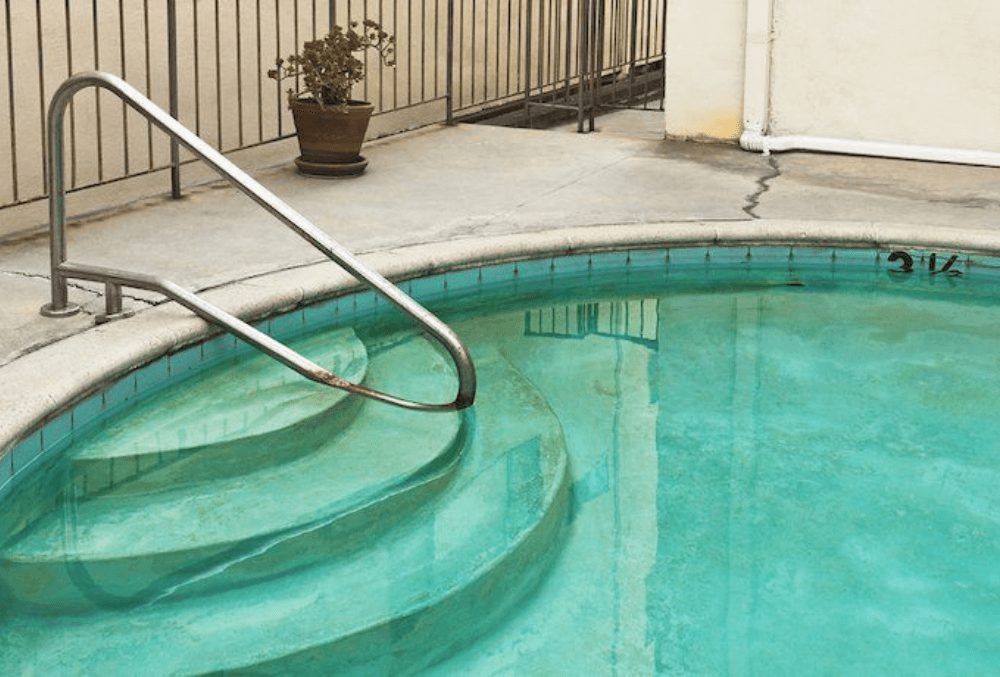
Many homeowners notice discoloration in their pool plaster and assume it is purely cosmetic. However, changes in color often indicate deeper structural concerns. In Las Vegas, strong ultraviolet exposure can alter the chemical composition of plaster materials, gradually weakening their strength.
This process is rarely sudden. Instead, it occurs slowly as sunlight breaks down protective compounds within the plaster. Over time, faded patches may appear, especially in areas exposed to direct sunlight for extended periods. While these areas may still feel smooth initially, the underlying material could be losing its resistance to wear.
Discoloration may also develop due to mineral deposits left behind by evaporating water. These deposits build up gradually and create uneven textures that trap dirt and bacteria. As these substances accumulate, they accelerate surface degradation and shorten the lifespan of the plaster.
Recognizing discoloration as an early warning sign allows homeowners to address problems before extensive damage occurs.
The Growing Need for Pool Plaster Repair Las Vegas Services
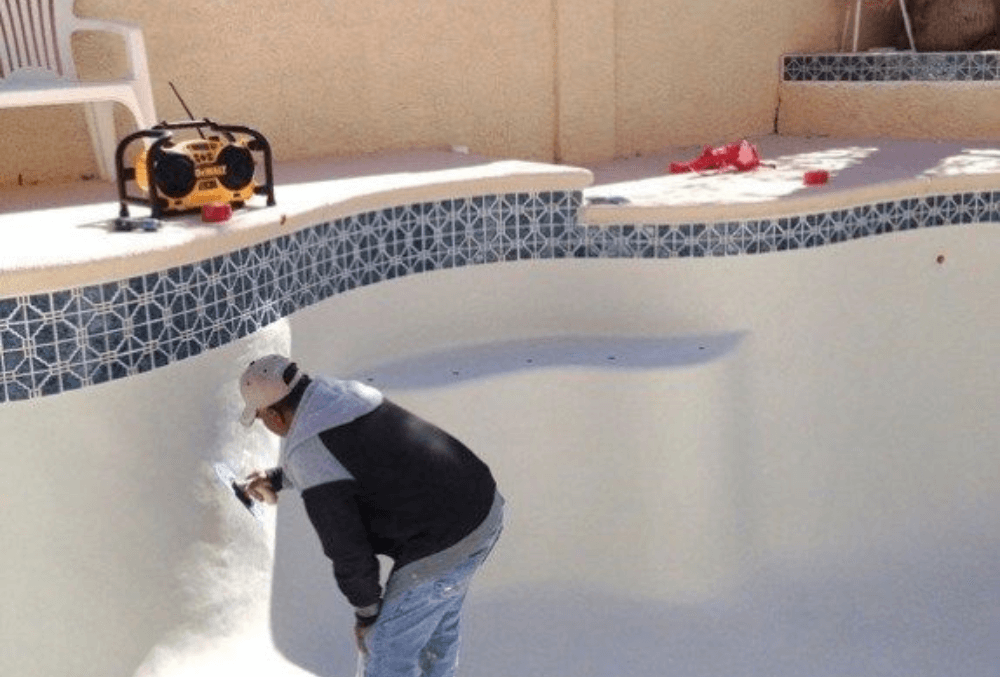
Silent damage often reaches a critical stage before homeowners realize that repairs are necessary. By the time cracks or rough patches appear, the underlying structure may already be compromised. This is why timely pool plaster repair las vegas services are essential for maintaining both the appearance and safety of a swimming pool.
Repair work in Las Vegas frequently involves addressing damage caused by heat stress and mineral buildup. Even minor imperfections should be evaluated carefully because they can expand quickly under harsh environmental conditions. Small cracks, for example, may allow water to penetrate deeper into the plaster, leading to widespread deterioration if left untreated.
Homeowners interested in advanced repair solutions can learn more through resources such as How New Pool Plaster Technology Is Redefining Las Vegas Pools, which explains how modern techniques improve durability and performance.
Early intervention remains one of the most effective ways to extend the life of pool plaster and avoid complete resurfacing.
How Water Evaporation Quietly Weakens Pool Plaster Las Vegas Surfaces
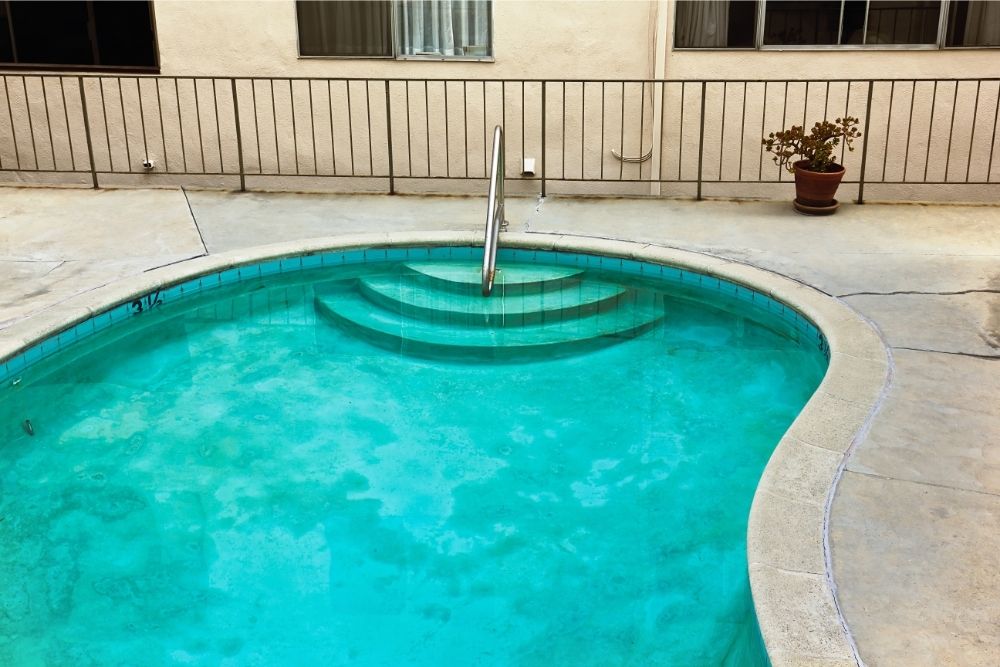
Water loss is an unavoidable reality in Las Vegas pools. The desert climate causes evaporation rates to remain high throughout much of the year. While topping off water levels is common practice, many homeowners do not realize how evaporation affects plaster strength.
As water evaporates, minerals remain behind on the plaster surface. Over time, these deposits accumulate and create scaling that bonds tightly to the material. This buildup forms rigid layers that restrict the natural flexibility of the plaster. When temperature changes occur, the rigid surface becomes more likely to crack.
The long-term effects of mineral buildup can be difficult to reverse without professional treatment. Regular monitoring and cleaning help minimize these effects, but older surfaces may still require resurfacing to restore their original condition.
Why Time Often Makes Damage Harder to Detect
One of the most challenging aspects of silent plaster damage is the gradual nature of its progression. Unlike sudden structural failures, plaster deterioration happens slowly and often remains unnoticed until visible defects appear. The smooth finish of pool plaster can hide internal wear, giving the impression that the surface is still in good condition.
Over months or years, hidden weaknesses grow stronger until they begin to affect the outer surface. At this stage, repairs may require more extensive work than if the problem had been addressed earlier. Homeowners who regularly inspect their pools and schedule routine evaluations are more likely to detect early warning signs.
Subtle indicators such as fading color, small surface pits, or slight roughness should never be ignored. These minor changes may signal deeper structural concerns that require professional attention.
Preventing Long-Term Damage Through Awareness and Maintenance
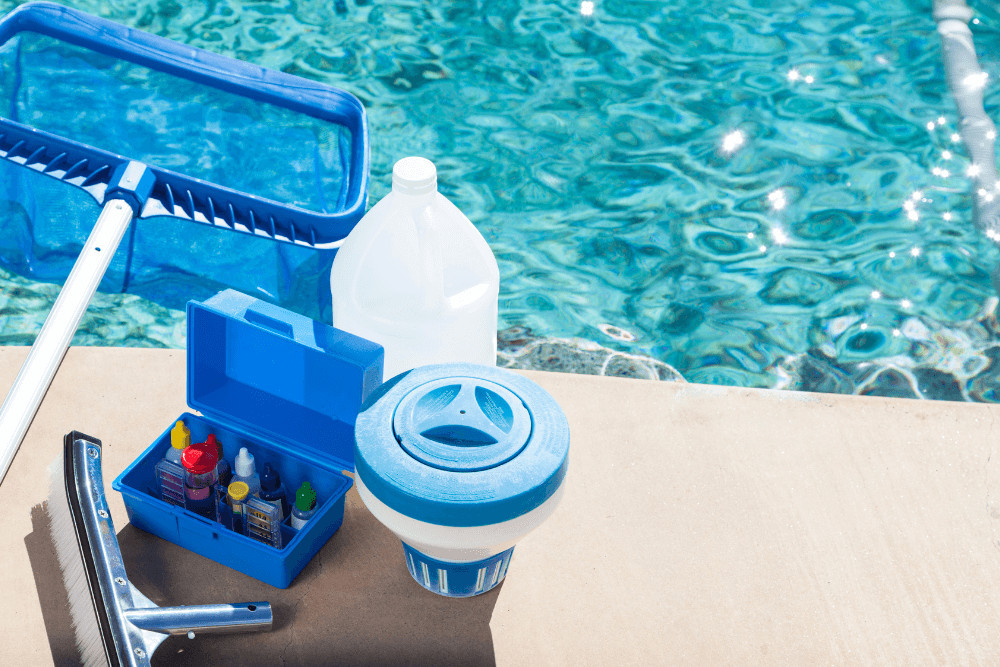
Preventing silent plaster damage begins with awareness of the environmental conditions affecting Las Vegas pools. Routine inspections allow homeowners to identify issues before they become serious. Maintaining balanced water chemistry also plays an important role in preserving plaster strength.
Professional maintenance services can provide valuable insight into the condition of a pool surface. These evaluations often reveal underlying concerns that might otherwise remain undetected. Addressing minor problems early helps reduce long-term repair costs and ensures consistent performance.
Homeowners who remain proactive in caring for their pools often experience fewer unexpected repairs and longer-lasting surfaces.
Recognizing Silent Damage Before It Becomes Visible
The most damaging effects on pool plaster rarely happen overnight. Instead, they develop slowly under the influence of heat, evaporation, and mineral exposure. While the surface may appear intact, hidden deterioration could already be underway.
By understanding how silent damage forms, homeowners can take steps to protect their investment and maintain safe swimming conditions. Regular inspections, timely repairs, and climate-specific resurfacing methods all contribute to stronger, more resilient plaster.
Las Vegas pools face environmental challenges unlike those in most other regions. Recognizing the subtle signs of wear and addressing them early ensures that pool plaster remains durable, comfortable, and visually appealing for years to come.