In Las Vegas, water conservation isn’t just a trend—it’s a necessity. Homeowners are becoming more intentional about how they manage water usage, from landscaping choices to everyday habits. But one area that often gets overlooked is the pool itself—specifically, the condition of its surface.
At first glance, resurfacing might seem like a purely cosmetic upgrade. In reality, it plays a much bigger role in how efficiently your pool holds and maintains water. A worn or outdated surface can quietly contribute to water loss, increased maintenance, and higher long-term costs.
Understanding this connection is key to making smarter decisions about pool care in a desert environment.
Why Pool Resurfacing Las Vegas Surface Condition Affects Water Retention
Your pool surface acts as a barrier between the water and the underlying structure. When that surface begins to wear down, it becomes less effective at doing its job.
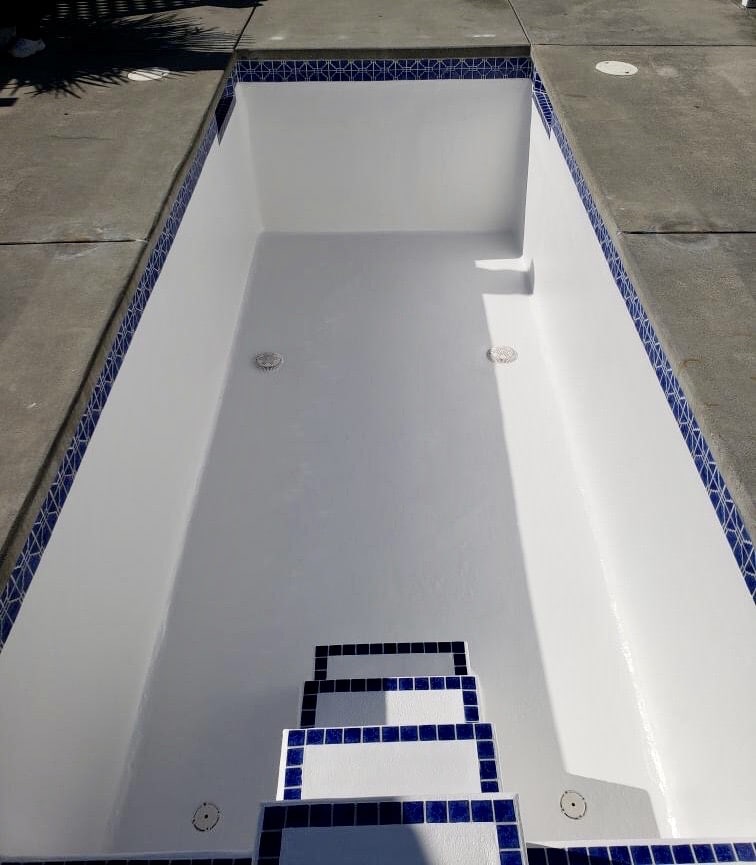
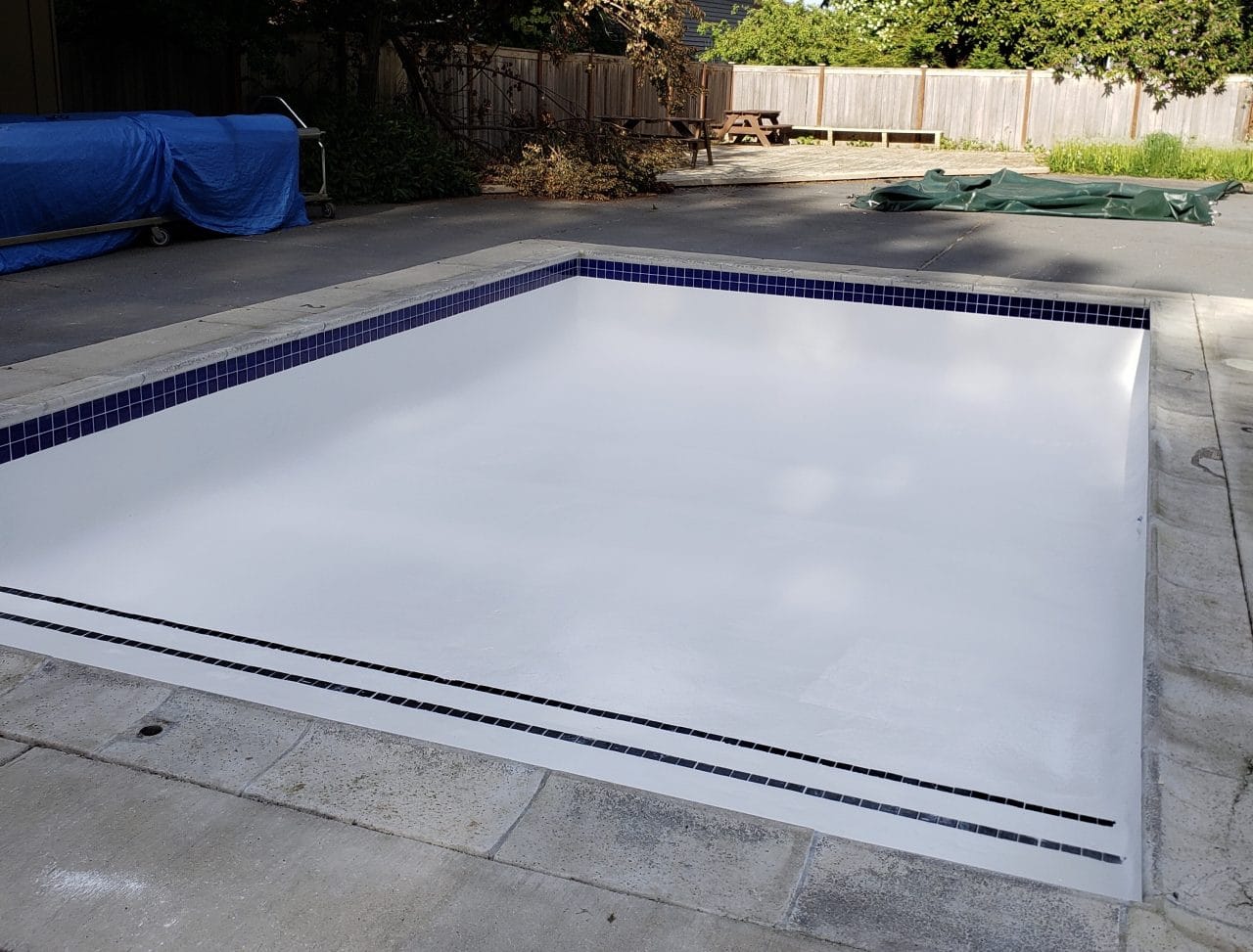
Over time, aging finishes can develop tiny cracks and become more porous. These changes may not be immediately visible, but they can lead to gradual water seepage. At the same time, rougher surfaces tend to absorb more heat, which increases evaporation rates—something that already happens quickly in Las Vegas.Modern pool resurfacing las vegas (link to content) solutions address these issues by creating a smoother, sealed finish. This helps reduce both water loss and the environmental stress placed on the pool, making it easier to maintain consistent water levels.
Pool Resurfacing Las Vegas NV and the Shift Toward Efficient Pool Systems
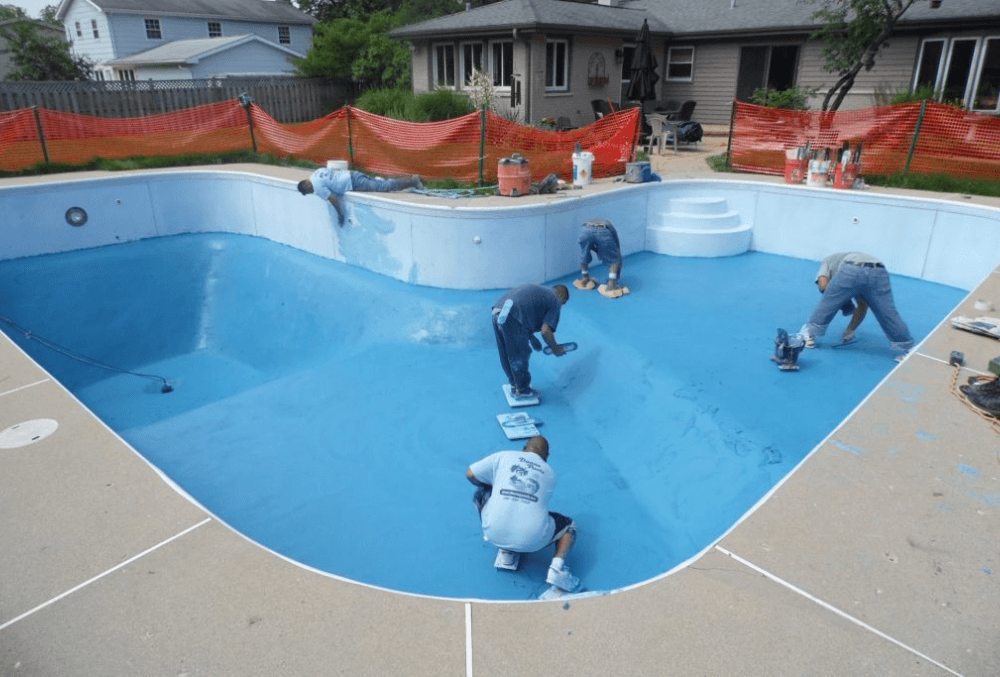
There’s a growing shift in how homeowners approach pool upgrades. Instead of focusing only on appearance, many are prioritizing efficiency and long-term performance.
Today’s pool resurfacing projects reflect that mindset. Newer materials are designed to work better in high-heat, low-humidity environments, offering improved resistance to both evaporation and chemical imbalance.
These systems use denser, less porous finishes that help keep water where it belongs. They also support more stable water chemistry, reducing the need for frequent adjustments or partial draining.
In a region where every drop matters, these improvements make a noticeable difference over time.
How Surface Wear Contributes to Hidden Water Loss
Not all water loss is obvious. While evaporation is expected in a desert climate, surface wear can introduce additional inefficiencies that are harder to detect.
As pool finishes deteriorate, small imperfections can allow water to escape slowly. Rough textures also trap heat, raising water temperature and accelerating evaporation. In some cases, inconsistent chemical balance caused by surface wear can lead to more frequent water replacement.
These factors don’t always stand out on their own, but together they can significantly increase overall water usage.
Resurfacing helps restore the integrity of the surface, minimizing these inefficiencies and improving how water is retained.
The Connection Between Pool Finish and Chemical Stability
Water conservation isn’t just about preventing leaks—it’s also about reducing how often water needs to be replaced.
Older surfaces tend to interact with pool chemicals in less predictable ways. They can absorb certain elements unevenly, making it harder to maintain proper balance. When water chemistry becomes unstable, homeowners often need to refresh or partially drain the pool to correct it.
Modern resurfacing materials create a more consistent surface that supports stable chemical levels. This reduces the need for frequent adjustments and helps maintain clearer, healthier water for longer periods.
In practical terms, that means less water waste and a more efficient maintenance routine.
Pool Resurfacing Cost and Long-Term Efficiency
Cost is always a consideration when planning a pool upgrade. While the pool resurfacing cost las vegas may seem significant at first, it’s important to look at the bigger picture.
A well-resurfaced pool often requires less frequent refilling, fewer chemical corrections, and reduced maintenance overall. Over time, these factors can lead to noticeable savings.
In addition, a more efficient pool system reduces the ongoing effort needed to keep everything balanced and functional. For many homeowners, that combination of lower maintenance and improved performance makes resurfacing a worthwhile investment.
Materials Designed for Desert Conditions
One of the reasons modern resurfacing systems are more effective is the way they’re engineered for specific environments.
In Las Vegas, that means materials that can handle intense sun exposure, temperature fluctuations, and mineral-heavy water. Newer finishes are designed to be more resistant to cracking, less prone to absorbing water, and better at maintaining their structure over time.
They also tend to reflect heat more effectively, which helps reduce evaporation and keeps the pool environment more stable.
These features work together to create a surface that not only looks better but also supports more efficient water use.
A Smarter Approach to Pool Ownership
As water conservation continues to be a priority in Las Vegas, homeowners are looking for practical ways to reduce waste without compromising comfort or usability.
Resurfacing is one of those solutions. It doesn’t require a complete overhaul of your pool system, but it can have a meaningful impact on how efficiently your pool operates.
By upgrading the surface, you’re not just improving appearance—you’re making a decision that supports long-term efficiency and sustainability.
The Bottom Line
In a desert climate like Las Vegas, small inefficiencies can add up quickly. While pool maintenance often focuses on equipment and water levels, the surface itself plays a crucial role in overall performance.
Modern pool resurfacing las vegas nv solutions help reduce water loss, improve chemical stability, and support a more efficient approach to pool care. Over time, these benefits contribute to both cost savings and more responsible water use.
It’s a simple upgrade with a broader impact—one that aligns with the growing focus on conservation while still enhancing the everyday experience of owning a pool.